
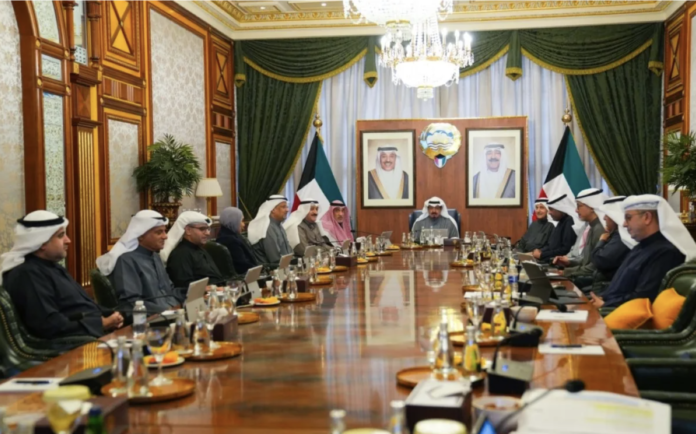
Kuwait is taking major steps to strengthen financial transparency, introducing a new electronic reporting system for companies nationwide. Moreover, the Cabinet show cased this initiative alongside rapid growth in government digital services, signaling a push toward more efficient governance.
The government’s Sahel app now serves over three million users who completed more than 52 million transactions last year. Additionally, the platform added 59 new services in 2025, simplifying procedures and expanding public access. Cabinet members praised the technical teams for improving user experience and integrating services across departments.
Alongside these digital achievements, the Cabinet introduced the “Qayd” system, a national platform for electronic financial reporting. Companies can now submit financial statements digitally using the international XBRL standard. This standard converts financial reports into structured digital data, making reviews, comparisons, and analysis faster and more accurate.
The Qayd system currently covers private companies, single-person companies, simple partnerships, and joint-stock firms. Authorities plan to make its use mandatory in 2027, aiming for nationwide adoption. Officials explained that the platform will enhance financial transparency, strengthen oversight, and ensure standardized disclosure practices.
Furthermore, Cabinet discussions focused on improving coordination with Kuwait’s governorates. Agencies must appoint contact points to respond to local inquiries. Meanwhile, the Central Agency for Information Technology will develop systems linking departments with governorates. In addition, the Supreme Council for Planning and Development will provide regular updates to track project progress. These steps aim to increase efficiency and public accountability across all regions.
In addition, the Cabinet reviewed Kuwait’s anti-money laundering and counter-terrorism financing measures. Reforms have strengthened laws, improved operations, and fostered international collaboration. Officials recognized the efforts of the Financial Intelligence Unit and the National Committee for Combating Money Laundering and Financing of Terrorism, focusing on their role in maintaining a secure business environment.
By implementing the Qayd system and expanding digital services, Kuwait sets a strong example of modern governance. The government emphasizes that clear reporting standards and enhanced financial transparency will support investors, simplify compliance, and foster business growth.
Ultimately, these initiatives demonstrate Kuwait’s commitment to digital innovation, better oversight, and secure financial practices. Therefore, the focus on financial transparency signals the country’s determination to improve both business operations and public trust.
