
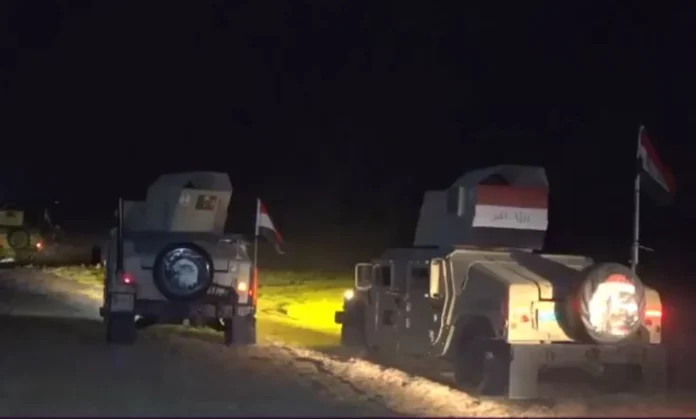
Kirkuk’s land disputes escalated as the Iraqi army blocked Kurdish farmers from harvesting crops in Pirde village. The intervention heightened tensions, threatening local livelihoods and food production. Land disputes remain a central issue in Kirkuk, affecting families and communities.
Kurdish farmers reported that Iraqi soldiers entered the village late Saturday night and stopped them from collecting wheat. “We have title deeds going back seven generations, but they refuse to let us harvest,” one farmer said. Initially, the army allowed harvesting, but soldiers stopped the machines once they reached the fields.
Farmers claimed an outsider from Mosul appeared, asserting ownership of the land. “We have cultivated this land for years. The army supports an outsider while no Arabs live here,” one farmer explained. Another added, “They want to bring outsiders onto our land. They will not cultivate our fields unless they go over our dead bodies.” Two farmers reportedly suffered attacks during the incident.
For over a month, the Iraqi army has restricted Kurdish farmers from harvesting wheat, citing a Baath-era title deed held by an Arab settler for 1,400 dunams. Land disputes in Kirkuk trace back to Saddam Hussein’s regime. In 1975, authorities declared several Kurdish villages prohibited oil zones and stripped residents of land rights. By 1977, the Baath Supreme Revolutionary Court redistributed these lands to Arab settlers.
In January 2025, Iraq’s parliament passed a land restitution law to return property seized from Kurds and Turkmen during the Baath era. The law covers around 300,000 dunams in Kirkuk and other disputed areas. However, authorities have stalled its implementation, and farmers continue losing harvests season after season. The bill awaits approval by the Iraqi Council of State before moving to the Council of Ministers for final ratification.
Kurdish representatives also criticized the Kirkuk agriculture directorate. Authorities continue renewing contracts for Arab settlers, further angering local farmers. Article 140 of Iraq’s constitution aimed to reverse Baath-era demographic changes, but slow enforcement leaves farmers vulnerable.
The ongoing interference underscores the urgent need to enforce the restitution law. Officials must protect farmers’ rights, ensure food security, and promote stability in Kirkuk.
