
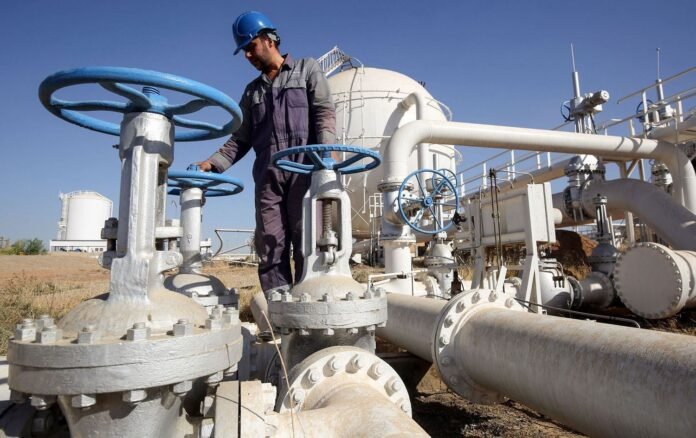
Iraq and Turkey have agreed to restart exports through the Kirkuk-Ceyhan oil pipeline, ending a freeze that lasted more than two years. The agreement marks a significant step toward stabilizing Iraq’s northern oil sector.
Iraq’s State Oil Marketing Organization (SOMO) reached the deal with Turkish companies to resume flows. Simultaneously, Baghdad and the Kurdistan Regional Government (KRG) agreed on a revenue-sharing plan that covers both oil and non-oil income.
Officials in Erbil have urged the federal government to fulfill obligations by releasing overdue public sector salaries. This demand highlights the financial pressure on local authorities while negotiations continue.
A KRG delegation is expected in Baghdad this week to finalize technical and operational details for restarting exports. Once production companies complete their discussions, SOMO has confirmed it can handle crude shipments immediately.
The Kirkuk-Ceyhan oil pipeline previously transported around 400,000 barrels per day before shutting down in March 2023. The halt followed arbitration disputes between Baghdad and Ankara over transit fees and revenue distribution.
Experts suggest that resuming exports via the pipeline could ease tensions and boost Iraq’s oil revenues significantly. Furthermore, restarting the line may enhance Iraq-Turkey economic cooperation in the energy sector.
In addition, authorities stress that technical inspections and maintenance are critical before flows resume. Both sides are reportedly coordinating closely to ensure safety and reliability.
The decision to reopen the Kirkuk-Ceyhan oil pipeline reflects ongoing efforts to resolve longstanding disputes over export management and revenue sharing. Market analysts expect this move to stabilize northern oil production and increase investor confidence.
The agreement also signals a broader commitment from Baghdad and Erbil to improve economic coordination. Observers note that successful implementation could serve as a model for resolving other regional disagreements.
With the pipeline restart, Iraq anticipates a notable boost in crude exports and government revenues. Both Iraq and Turkey emphasize collaboration and efficiency to maximize benefits from this strategic oil corridor.
