
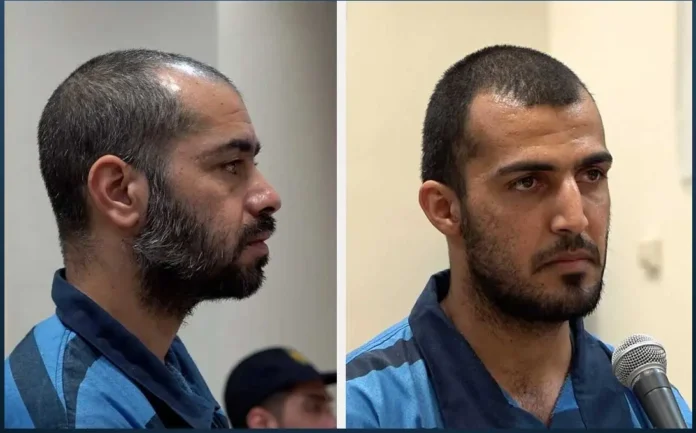
Iranian authorities have carried out the executions of two Kurdish men detained during anti-government protests in January, according to state media reports and human rights organisations.
The case of Iran hangs two Kurdish protesters detained during January protests has drawn renewed attention to the handling of detainees linked to months of unrest in the country. The individuals were identified as Mehrdad Mohammadinia and Ashkan Maleki.
State media reported that the men were convicted on charges including involvement in the burning of a mosque, destruction of public property, and clashes with security forces during the protests. Officials also stated that confessions were used as part of the judicial process.
Human rights groups, including the Oslo-based Hengaw organisation, have previously raised concerns about the fairness of trials involving protest-related detainees, as well as the risk of further executions. They also reported that other detainees remain at risk.
The case of Iran hangs two Kurdish protesters detained during January protests comes amid broader scrutiny of Iran’s use of capital punishment, with rights organisations reporting a high number of executions over the past year and warning of intensified crackdowns following periods of unrest and external tensions.
Iranian authorities have described those involved in the protests as “rioters” and have repeatedly rejected accusations of judicial misconduct, maintaining that legal procedures are followed in accordance with national law.
The developments are being closely watched across the region, including in Gulf states, where stability in Iran and its internal security situation remain key geopolitical concerns.
