
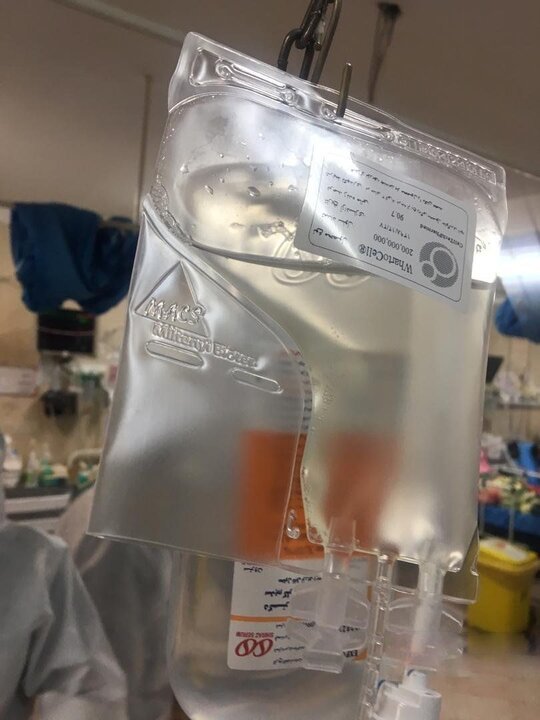
Iran has approved a locally developed stem cell therapy for the treatment of osteoarthritis, marking a new development in the country’s regenerative medicine sector.
WhartoCell, created by researchers at the Royan Institute, has received authorization from Iran’s Food and Drug Administration for clinical use. The therapy uses mesenchymal stem cells derived from Wharton’s jelly, a tissue found in the umbilical cord, to help reduce inflammation, support cartilage repair and improve joint function.
Mehdi Lotfipanah, Director of Public Relations and International Affairs at the Royan Institute, said the introduction of cell-based therapies should be supported by scientific evidence to ensure their effective use in clinical practice. He added that increasing awareness among healthcare professionals would encourage wider adoption of regenerative medicine.
According to the institute, WhartoCell is an allogeneic therapy, meaning it uses donor stem cells and does not require genetic matching between donor and recipient. This allows the treatment to be administered without lengthy preparation and improves access for patients.
The product is manufactured under Good Manufacturing Practice (GMP) standards, with quality and safety monitored throughout the production process.
While the therapy is currently approved for osteoarthritis, researchers say the technology could also be applied to cartilage repair, tendon and ligament injuries, bone fracture healing, avascular necrosis and other inflammatory joint conditions.
Royan Institute said WhartoCell also reflects progress in Iran’s biotechnology industry by reducing reliance on imported treatments and expanding the availability of advanced therapies within the country’s healthcare system.
The institute plans to promote the therapy through workshops, educational programmes and scientific meetings, including events held alongside the 27th International Royan Congress.
