
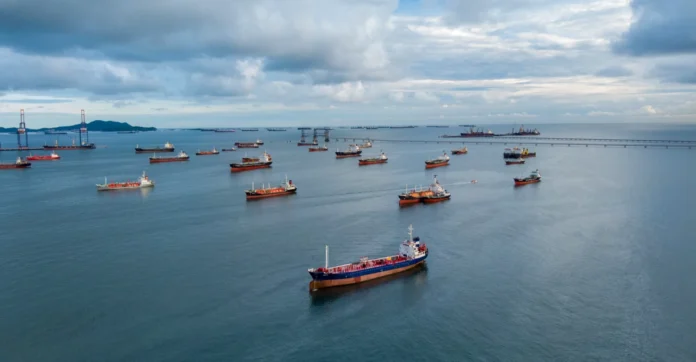
Maritime traffic intelligence reveals that Hormuz transit dips by nearly ninety percent from standard historical averages. Heightened geopolitical conflict between American and Iranian forces has severely restricted commercial movement through the strategic waterway. Furthermore, tracking data recorded only four vessel passages on Sunday following thirteen successful crossings on Saturday. Consequently, ongoing shipping bottlenecks continue disrupting global energy distribution channels while reducing regional crude oil exports.
Maritime security monitoring agencies reported eighty-nine vessels exiting the narrow gateway during the preceding weekly monitoring period. Furthermore, tracking systems identified one hundred three incoming vessels navigating through regional waters during the same timeframe. Iraqi crude shipping operations suffered significant logistical setbacks, forcing state energy authorities to adjust commercial delivery expectations. Therefore, international maritime operators maintain extreme caution while evaluating route safety along critical energy supply lines.
Reduced maritime accessibility drastically impacts southern Iraqi oil shipments originating from primary production centers near Basra ports. Export volumes averaged roughly one point four million barrels daily throughout July despite earlier severe operational drops. Furthermore, current daily export totals remain substantially below normal historical capacity levels exceeding three million barrels. Consequently, government planners actively explore alternative land transit solutions to bypass volatile maritime chokepoints permanently.
Iraqi energy officials evaluate long-term infrastructure projects connecting domestic oil fields directly to Mediterranean ports via neighboring countries. Proposed overland pipeline construction extending through Syrian territory toward Baniyas port requires four years and substantial funding. Furthermore, strategic planning initiatives consider alternative export corridors traversing Turkish and Jordanian geographic territories efficiently. Ultimately, severe operational impacts from when Hormuz transit dips highlight national economic vulnerabilities regarding maritime energy trade.
