
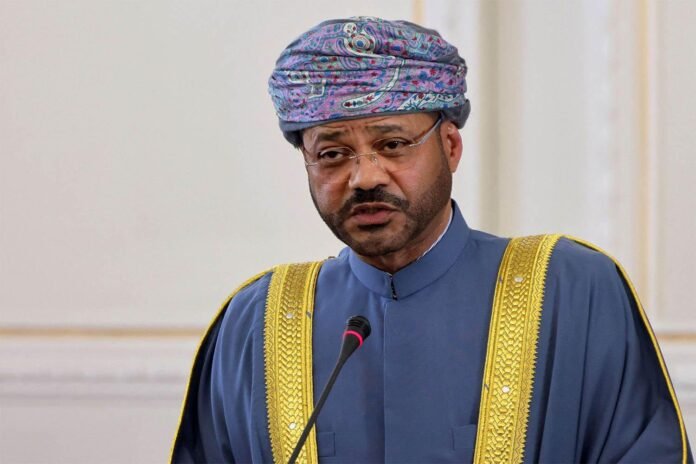
Omani Foreign Minister Sayyid Badr Albusaidi will visit Tehran to conduct high-level Hormuz Strait talks. Diplomatic representatives confirmed that officials plan extensive consultations regarding critical maritime safety and commercial shipping protocols. Furthermore, Iranian foreign ministry spokesperson Esmaeil Baqaei announced scheduled discussions with Iranian counterpart Abbas Araghchi on Tuesday. Consequently, both littoral nations aim to establish stable operational guidelines for commercial vessels navigating shared territorial waters.
Navigational control over the crucial transit corridor remains a high diplomatic priority for regional coastal administrations. Furthermore, transit regulatory frameworks require commercial ships to secure official permits prior to entering key maritime passages. International trade entities closely monitor bilateral negotiations to assess potential shifts in global energy shipment security. Therefore, active diplomatic coordination seeks to balance national sovereign rights with international commercial navigation requirements.
Oman and Iran continue evaluating proposed alternative maritime routing channels to ensure safe commercial vessel movements. Furthermore, regional mediation efforts prioritize lowering military tensions while establishing clear communication protocols between neighboring coastal forces. However, full operational normalization depends heavily upon resolving broader international diplomatic disputes and port restriction measures. Consequently, third-party diplomatic envoys work continuously to bridge operational gaps between competing international maritime policies.
Diplomatic envoys emphasize that sustainable solutions require mutual commitments toward long-term regional stability and open trade. Furthermore, technical committees evaluate practical mechanisms to manage maritime traffic efficiently while preventing accidental naval confrontations. Regional leaders anticipate that upcoming ministerial meetings will establish constructive frameworks for ongoing security dialogue. Ultimately, successful outcome of the Hormuz Strait talks remains essential for securing global economic energy supply networks.
