
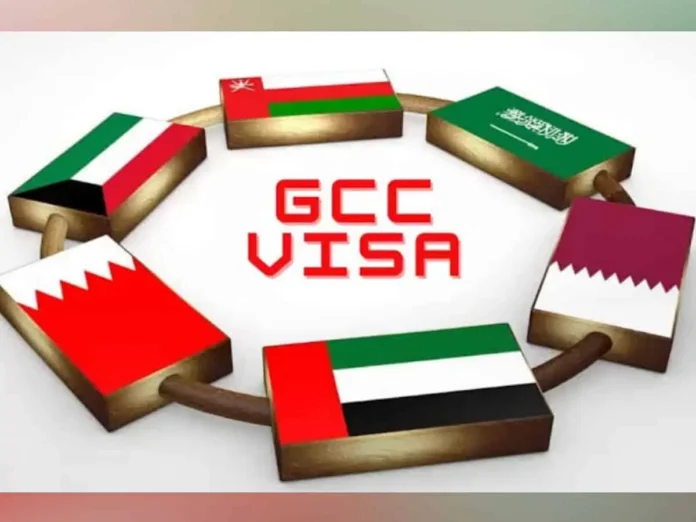
The Gulf Cooperation Council (GCC) will launch a unified GCC visa in 2026, marking a historic step for regional tourism. This visa simplifies travel and supports economic growth, while connecting the Gulf’s tourism markets more efficiently.
The unified GCC visa allows visitors to enter Saudi Arabia, the UAE, Qatar, Bahrain, Kuwait, and Oman with a single application. Authorities designed this initiative after four years of coordination, modeling it on Europe’s Schengen system. Consequently, tourists will experience smooth multi-country travel without repeated paperwork or separate fees.
Officials predict the visa will cover tourism and family visits. Applicants can choose access to one country or all six, valid for one to three months. Fees will likely remain lower than applying separately.
To apply, travellers must provide a valid passport, proof of accommodation, travel insurance, funds, and a return or onward ticket. They will submit documents online, pay the fee, and receive their digital visa efficiently. This approach highlights the Gulf’s commitment to modern infrastructure and simplified processes.
The visa also addresses growing demand for intra-GCC travel. Last year, Gulf airlines carried 150 million passengers, yet only 70 million traveled regionally. Therefore, officials view the visa as a tool to enhance connectivity, encourage longer stays, and increase spending across multiple cities.
Furthermore, the unified visa reflects a push for harmonised regulations and stronger regional cooperation. By streamlining entry requirements, authorities hope to attract more investment in tourism infrastructure and hospitality. Combined with cultural heritage, expanding transport networks, and a safe environment, the visa positions the Gulf as a competitive, consolidated tourism zone.
Officials stated that more details will appear in the months ahead. The online platform for applications will open before the official launch in 2026. Overall, the unified GCC visa is expected to transform the region’s travel experience, boost tourism revenues, and strengthen integration among Gulf countries.
