
Global fertiliser supply disruption is raising serious concerns across developing economies. Experts warn that ongoing tensions in the Strait of Hormuz threaten critical trade routes. Therefore, food security risks are increasing across the Global South.
The crisis has disrupted the movement of essential goods through one of the world’s busiest waterways. In addition, restrictions now affect oil, fertilisers, and perishable products. As a result, supply chains face growing pressure.
John Denton, Secretary General of the International Chamber of Commerce, highlighted the issue. He explained that fertiliser shipments face significant delays. Moreover, he warned that many policymakers underestimate the scale of the problem.
Global fertiliser supply disruption could severely impact agricultural production. Fertilisers play a key role in crop yields and food supply. Therefore, limited access may reduce harvests in vulnerable regions.
Denton described the situation as a “silent challenge.” He noted that attention often focuses on oil prices instead. However, fertiliser shortages create long-term risks for food systems.
In addition, developing countries rely heavily on imported fertilisers. Many of these shipments pass through the Strait of Hormuz. Consequently, disruptions could reduce available supply by significant margins.
The ongoing conflict in the Middle East continues to escalate. Tensions involving the United States and Iran have increased uncertainty. As a result, shipping companies remain cautious about using the route.
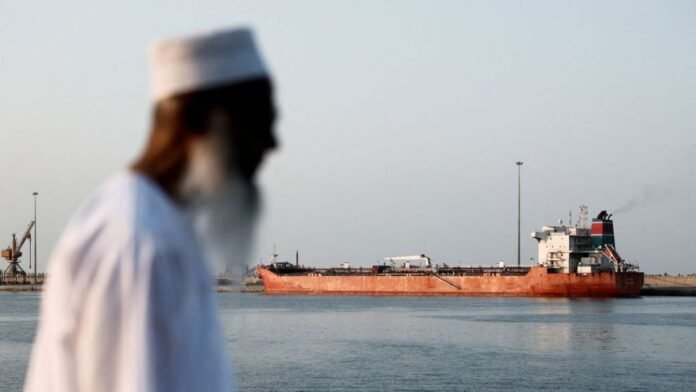
Moreover, a large number of vessels remain stranded near the strait. This situation delays the delivery of key goods worldwide. Therefore, global markets face growing instability.
Global fertiliser supply disruption also affects food affordability. Reduced agricultural output may increase prices in developing economies. Consequently, vulnerable populations face higher risks of food shortages.
In response, Denton called for urgent international coordination. He urged governments and organizations to prioritize the transport of essential goods. In addition, he proposed creating humanitarian corridors for fertiliser shipments.
Global institutions and businesses are working to adapt. Large companies have established crisis response systems. However, smaller firms struggle to manage ongoing disruptions.
At the same time, international organizations continue to monitor the situation. They aim to provide data and support policy decisions. As a result, efforts focus on minimizing economic damage.
Global fertiliser supply disruption highlights the broader impact of geopolitical conflicts. Experts expect continued pressure on trade and food systems. Therefore, coordinated global action remains critical to prevent a deeper crisis.
