
Global forced displacement declined for the first time in a decade in 2025, according to the latest report from the United Nations High Commissioner for Refugees (UNHCR), although the agency warned that the number of people uprooted by conflict and persecution remains at an alarming level.
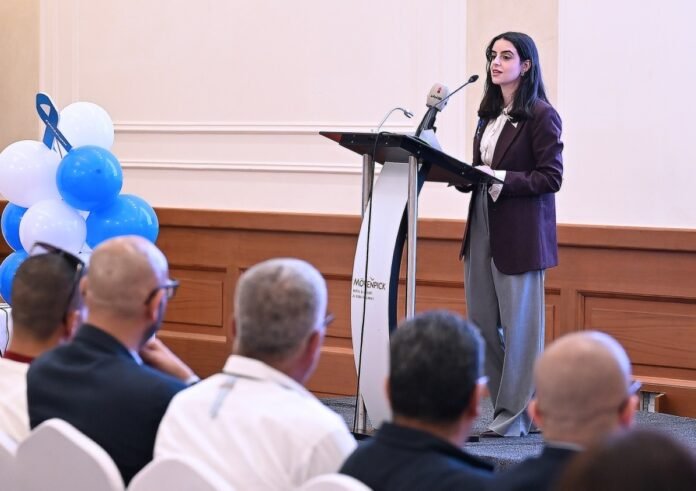
Imane Aleinawi, External Relations Officer and Chargé d’Affaires at UNHCR’s office in Kuwait, said the Global Trends Report showed that 5.4 million people were forced to flee violence and persecution during the year in search of safety beyond their borders.
The report also recorded a significant increase in returns, with 14.7 million displaced people going back to their areas of origin. This included 4.4 million refugees and 10.3 million internally displaced people. Afghanistan, Sudan and Syria accounted for the largest numbers of returnees.
As a result, the global refugee population fell by 3 percent in 2025 to 41.6 million people. The report further noted that around 46,000 stateless individuals obtained citizenship in their countries of residence during the year.
Despite the improvement, Aleinawi said nearly 70 percent of refugees continue to live in prolonged displacement, with many facing poverty and limited opportunities. She stressed the need for approaches that move beyond emergency assistance and support long-term stability and self-reliance.
She highlighted Kuwait’s contribution to international humanitarian efforts, describing the country as an important partner in supporting displaced populations and advancing sustainable solutions for refugees.
Aleinawi also pointed to a new UNHCR initiative aimed at reducing by more than half the number of refugees trapped in long-term displacement and dependent on aid over the next decade. The plan focuses on expanding voluntary returns, increasing resettlement opportunities and improving access to education, employment and economic participation.
According to the report, safe and voluntary return remains the preferred solution for refugees when conditions allow. Aleinawi said ending major conflicts would enable millions of people to rebuild their lives in their home countries.
She also called for stronger efforts to integrate refugees into national education, healthcare, financial and labour systems, arguing that greater inclusion can help refugees become self-sufficient while contributing to host economies.
At the same time, she urged governments, humanitarian organisations, development partners and the private sector to strengthen cooperation in addressing displacement challenges. She noted that the number of refugees benefiting from resettlement and sponsorship programmes fell by more than half in 2025 to 81,800 people.
Aleinawi reaffirmed that the right to seek asylum and receive international protection remains fundamental, calling for coordinated global action to provide displaced people with greater security, opportunity and hope for the future.
