
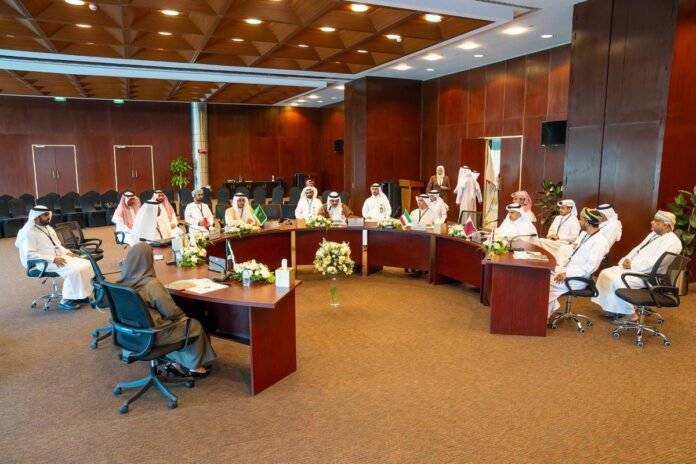
The Gulf Cooperation Council (GCC) has intensified GCC climate cooperation by advancing initiatives in meteorology and disaster preparedness. The 17th meeting of the GCC Permanent Committee for Meteorology and Climate, held in Kuwait, brought together senior officials from all member states to coordinate regional action.
Acting Director General of the Directorate General of Civil Aviation, Duaij Al-Otaibi, emphasized the importance of unified efforts to protect citizens and property from climate-related disasters. He highlighted the development of an advanced early warning network that will cover all GCC countries. This network aims to strengthen preparedness, improve response times, and save lives.
Al-Otaibi also praised the support of GCC leadership for regional climate initiatives. He described meteorology and climate programs as essential pillars for sustainable development. Moreover, the adoption of a unified GCC meteorology law demonstrates member states’ commitment to tackling climate challenges collectively.
The meeting agenda included the Gulf climate statistics project, progress on the Green Middle East Initiative, and other programs that promote joint efforts. Moreover, officials discussed ways to enhance coordination, share knowledge, and implement strategies effectively across the region. Such collaboration reinforces the GCC’s role as an influential bloc in regional and global forums addressing climate change.
Abdullah Al-Rubaie, Head of the Human and Environmental Affairs Sector at the GCC General Secretariat, highlighted that leadership support ensures greater integration. He noted that GCC climate cooperation strengthens the region’s capacity to address emerging environmental risks. Officials also emphasized sharing expertise and data among member states to improve forecasting and policy implementation.
Furthermore, participants stressed the need for continued investments in meteorology infrastructure and education. These measures ensure that countries remain proactive in responding to natural hazards and environmental changes. By combining technology, expertise, and coordination, the GCC can build a safer and more resilient region.
The meeting concluded with a reaffirmation of the commitment to GCC climate cooperation. Leaders also agreed to continue strengthening partnerships, expand regional early warning systems, and support initiatives that enhance sustainability. Through these efforts, the GCC aims to safeguard communities and preserve resources for future generations.
Overall, the 17th meeting marked a significant step forward in regional climate strategy. By prioritizing GCC climate cooperation, member states demonstrate leadership, foresight, and commitment to collective action in addressing environmental challenges.
