
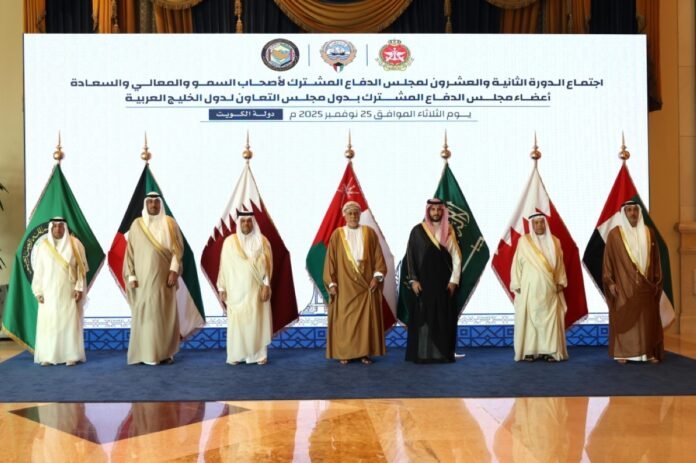
GCC defense cooperation gained new strength this week as Gulf states met in Kuwait for the 22nd Joint Defense Council session. Leaders stressed the need for stronger unity, and they linked regional safety to the growth of GCC defense cooperation. They also agreed that fast action now helps protect the Gulf from rising threats.
The meeting brought together defense ministers and key officials from all GCC states. They reviewed the current security plan and checked progress on earlier projects. Moreover, they set new goals to improve training, coordination, and early warning systems. Every delegation agreed that clear teamwork helps each country react faster during emergencies.
During the talks, officials focused on growing security worries in the region. They pointed to new risks and said the Gulf must stay ready at all times. They also noted that stronger joint drills help troops act with more speed and skill. As a result, the council pushed for more shared training programs in the coming months.
Leaders also looked at recent events in the region and studied key lessons. They agreed that better planning helps prevent larger problems later. In addition, they called for closer links between the armies to support quick communication during sudden threats. This approach, they said, keeps the Gulf stable and improves trust among the states.
Kuwait hosted the meeting and supported open talks that covered many topics. The delegations thanked Kuwait for giving space for honest and useful dialogue. They also praised the Gulf states for showing strong unity at a time when the region needs firm action.
Furthermore, leaders said GCC defense cooperation brings political and economic value to the region. It keeps the Gulf strong, sends a clear message to any aggressor, and supports long-term growth. They noted that secure borders help the region maintain steady progress in trade, energy, and investment.
The session ended with a new promise to grow GCC defense cooperation in the months ahead. The council agreed to hold more meetings, improve communication tools, and increase support for joint missions. They said these efforts protect the region, support national interests, and guide the Gulf toward a safer future.
