
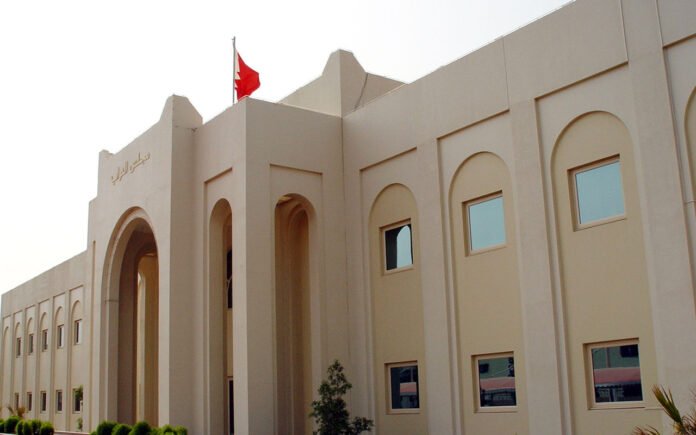
Bahrain parliament training programs continue to strengthen legislative performance and expand professional capabilities among council members and staff. Between July 20 and 24, the General Secretariat of the Council of Representatives hosted a series of targeted development workshops.
These training sessions, held in cooperation with key institutions, focused on enhancing various parliamentary functions. As a result, staff members gained specialized knowledge essential to effective legislative work.
To begin with, the Bahrain Institute of Banking and Finance delivered a Project Management Professional course. This course specifically targeted employees from the IT Department. It emphasized IT project management, software development, and cybersecurity. Additionally, it helped link departmental goals with broader institutional strategies.
Meanwhile, the Legislation and Legal Opinion Commission organized a lecture on artificial intelligence in criminal justice. The topic, “The Role of Artificial Intelligence Applications in Predicting Crime and Its Impact on the Accused’s Right to Acquittal,” explored legal frameworks and future lawmaking. Legal Affairs and Parliamentary Studies employees participated in the session. This lecture underlined how Bahrain parliament training programs adapt to emerging technologies in governance.
Moreover, the Origin Group hosted the “Quality of Work Life 2025” conference. Many council employees attended to learn about mental health, physical wellness, and work-life balance. The conference also stressed the importance of creativity and linked well-being to sustainable development goals.
Furthermore, a training course titled “Excellence in Parliamentary Customer Service – Advanced” was conducted. Career Development and Business Excellence Management Consulting Company led the sessions. Staff from the Information Technology, Representatives’ Affairs and Support, and Services and Facilities departments participated. They developed advanced customer service skills and learned to apply a culture of excellence in legislative settings.
These initiatives reflect the ongoing efforts to raise professional standards in parliamentary work. Each program focused on practical applications, ensuring employees could apply their new skills immediately.
In conclusion, Bahrain parliament training programs continue to grow in scope and impact. By providing continuous education, the Council of Representatives demonstrates a clear commitment to improving governance and public service. These programs not only empower employees but also ensure more efficient, responsive parliamentary work.
