
Bahrain is moving closer to a structured legal framework through health tourism regulation aimed at strengthening medical travel services. The Shura Council Services Committee reviewed a draft law focused on organizing this growing sector. The discussion reflects Bahrain’s ambition to become a regional medical hub. Moreover, lawmakers see health tourism regulation as a strategic economic and healthcare priority.
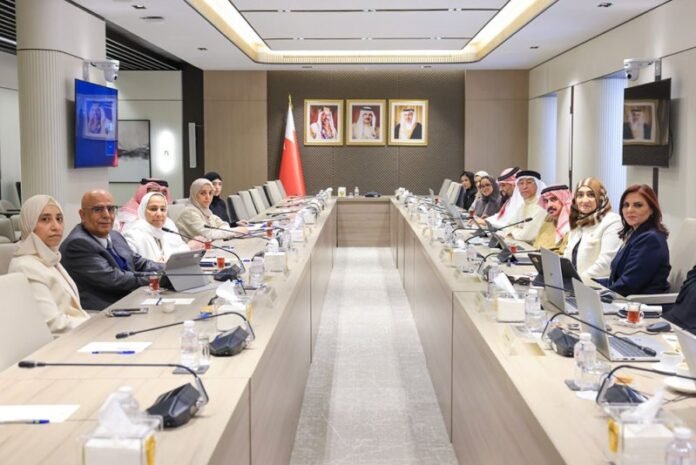
The committee met on Monday to examine the proposed legislation in detail. Members focused on coordination between health and tourism authorities. Officials from health, tourism, and regulatory bodies joined the session. Their presence highlighted the importance of cross-sector cooperation. Consequently, the meeting emphasized integrated governance rather than isolated oversight.
Lawmakers explained that the draft law seeks to create a unified institutional structure. This system would connect healthcare providers with tourism entities. Furthermore, it would define responsibilities clearly for all involved parties. Transparency and accountability remain central goals throughout the proposal. As a result, patients would benefit from safer and more reliable services.
The proposed legislation also introduces clear obligations for medical service providers. Clinics and hospitals must meet strict professional standards. Regulators would monitor service quality closely. Therefore, Bahrain aims to protect patients while improving international confidence. This approach strengthens the country’s healthcare reputation regionally.
Another major focus involved simplifying medical travel procedures. The committee discussed introducing a specialized health tourism visa. This visa would streamline entry for international patients. Additionally, it would reduce administrative delays significantly. Officials believe this step would attract more medical visitors.
Health tourism regulation also aims to boost investment opportunities. Policymakers expect increased private sector participation. Medical facilities could expand services and infrastructure. Meanwhile, tourism operators would benefit from extended visitor stays. Together, these sectors could generate sustainable economic growth.
Committee members also examined how the law enhances sector competitiveness. Bahrain already offers advanced healthcare services. However, lawmakers believe regulation will provide structure and consistency. As a result, the country could compete more effectively with regional medical destinations.
The discussion included feedback from health authorities and tourism regulators. Officials shared technical and operational observations. These insights helped refine the legislative approach. Consequently, the committee decided to continue reviewing the draft carefully. Further consultation with economic committees will follow.
Members stressed the importance of aligning financial considerations with public health goals. Therefore, lawmakers plan to assess economic impacts thoroughly. They also aim to ensure affordability and service quality remain balanced. This careful review process reflects long-term planning.
The committee will now prepare a detailed report. Upcoming meetings will incorporate stakeholder feedback. Lawmakers expect recommendations to reflect practical implementation needs. Health tourism regulation remains central to this legislative effort.
Ultimately, Bahrain’s initiative highlights forward-looking policymaking. By combining healthcare excellence with tourism growth, the country seeks sustainable development. This legislative step could reshape Bahrain’s medical travel landscape. Observers expect continued momentum in the coming months.
