
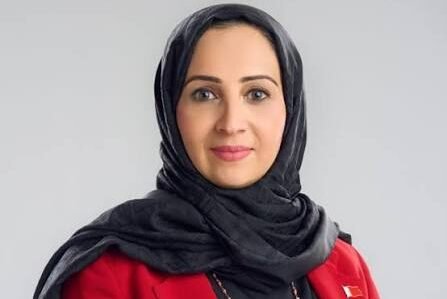
Bahrain has marked a milestone in Women’s Representation after MP Jalila Al Sayed won election as Parliament’s first female first deputy speaker. She secured 21 votes in a three-candidate contest, defeating Bassema Mubarak and Abdulla Al Romaihi for the vacant leadership position.
Mubarak received five votes, while Al Romaihi secured eight, according to the announced results. The election creates a new chapter in Bahrain’s parliamentary history and follows earlier progress in women’s legislative leadership. Fouzia Zainal previously became the country’s first woman speaker, serving from 2018 until 2022.
The deputy speaker position became vacant in May after authorities revoked the membership of three MPs, including former first deputy speaker Abdulnabi Salman. Parliament had 35 ballot papers available for the vote, while two MPs remained absent alongside the three members whose parliamentary memberships had ended.
Following her victory, Al Sayed described the appointment as both an honour and a significant responsibility. She said Bahrain faced an important period that required effective parliamentary work, institutional coordination, and cooperation across different branches of government.
She also said the result carried a message about cooperation within state institutions and women’s participation in parliamentary leadership. Moreover, she expressed hope that her appointment would encourage closer coordination between Parliament and the executive branch. Al Sayed thanked fellow MPs for their confidence and wished both rival candidates success.
Rather than beginning an entirely new programme, Al Sayed said she intended to build upon work already underway. She pointed to four years of parliamentary experience and relationships developed during her previous term as useful foundations. Consequently, she plans to work closely with the Speaker, the parliamentary general-secretariat, and committee members on current and upcoming legislative priorities.
Among her priorities, Al Sayed highlighted social security and insurance arrangements for doctors and consultant doctors. She said lawmakers had repeatedly raised these concerns, yet solutions remained outstanding. She also identified food and water security as emerging national priorities, alongside security matters and other issues already before Parliament.
Household expenses also featured prominently in her remarks, particularly electricity and petrol prices. Al Sayed argued that MPs should revisit previous decisions affecting these costs and consider their implications for residents. However, she did not present a detailed timetable for reviewing those decisions.
She added that parliamentary work had continued throughout the legislative recess, with coordination already taking place on several matters. In her view, the next phase requires stronger organisation and cooperation between legislative and executive authorities. These efforts, she said, should help address unresolved concerns and strengthen Bahrain’s legislative framework.
Al Sayed also referred to His Majesty King Hamad’s address opening the fifth session of the sixth legislative term. She described the address as guidance for parliamentary work, highlighting its focus on economic priorities, effective legislation, regional security, and national identity.
The exceptional parliamentary session follows a royal order extending the legislative term because of prevailing circumstances. As Bahrain’s Parliament continues its work, Al Sayed’s appointment adds a new development to the country’s record of Women’s Representation. Her immediate responsibilities will include supporting parliamentary leadership and advancing issues that lawmakers have already placed on the agenda.