
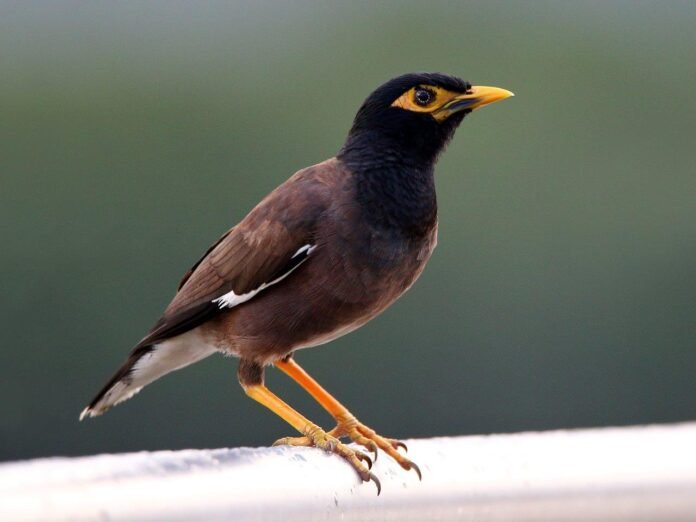
Bahrain bird ban regulations now prohibit the import, possession, sale, and breeding of all myna and crow species. Environmental authorities introduced this comprehensive legislation to protect the kingdom’s vulnerable native wildlife from invasive predatory birds. Shaikh Abdulla bin Hamad Al Khalifa issued the decree in his role as Supreme Council for Environment president. Consequently, the new environmental protection law takes official effect six months after publication in the official gazette. Therefore, current pet owners must regularize the legal status of their captive birds within the grace period.
Furthermore, bird keepers must refrain from releasing these banned species into the local environment under any circumstances. Owners may surrender their birds directly to the Biodiversity Department of the Supreme Council for Environment instead. However, scientific institutions and approved research facilities retain special exemptions to keep specimens for educational display purposes. Meanwhile, violators of the environmental decree face severe financial fines, property confiscation, and potential prison sentences. Authorities warned that these aggressive invasive species continuously target native songbird nests and consume fragile local eggs.
Specifically, invasive myna birds frequently kill native nestlings and displace indigenous species from vital breeding territories. Similarly, aggressive crows raid the natural habitats of the iconic White-cheeked Bulbul across local island ecosystems. Consequently, native bird populations suffered significant declines due to severe competition over limited regional food sources. Moreover, the adaptable invasive birds thrive in urban environments while outcompeting local species for nesting locations. Therefore, environmental officers urge the public to support conservation efforts and comply with statutory regulations fully.
In addition, the official Bahrain bird ban reflects broader national strategies aimed at restoring ecological balance nationwide. Specialized conservation teams plan to monitor wild bird populations while enforcing new commercial trade restrictions strictly. Consequently, pet shops and commercial breeding facilities must cease all commercial operations involving the restricted species immediately. Furthermore, environmental inspectors will conduct regular site checks to ensure full compliance across all governorates. Ultimately, these regulatory measures protect indigenous wildlife while preserving Bahrain’s natural biological diversity for future generations.
