
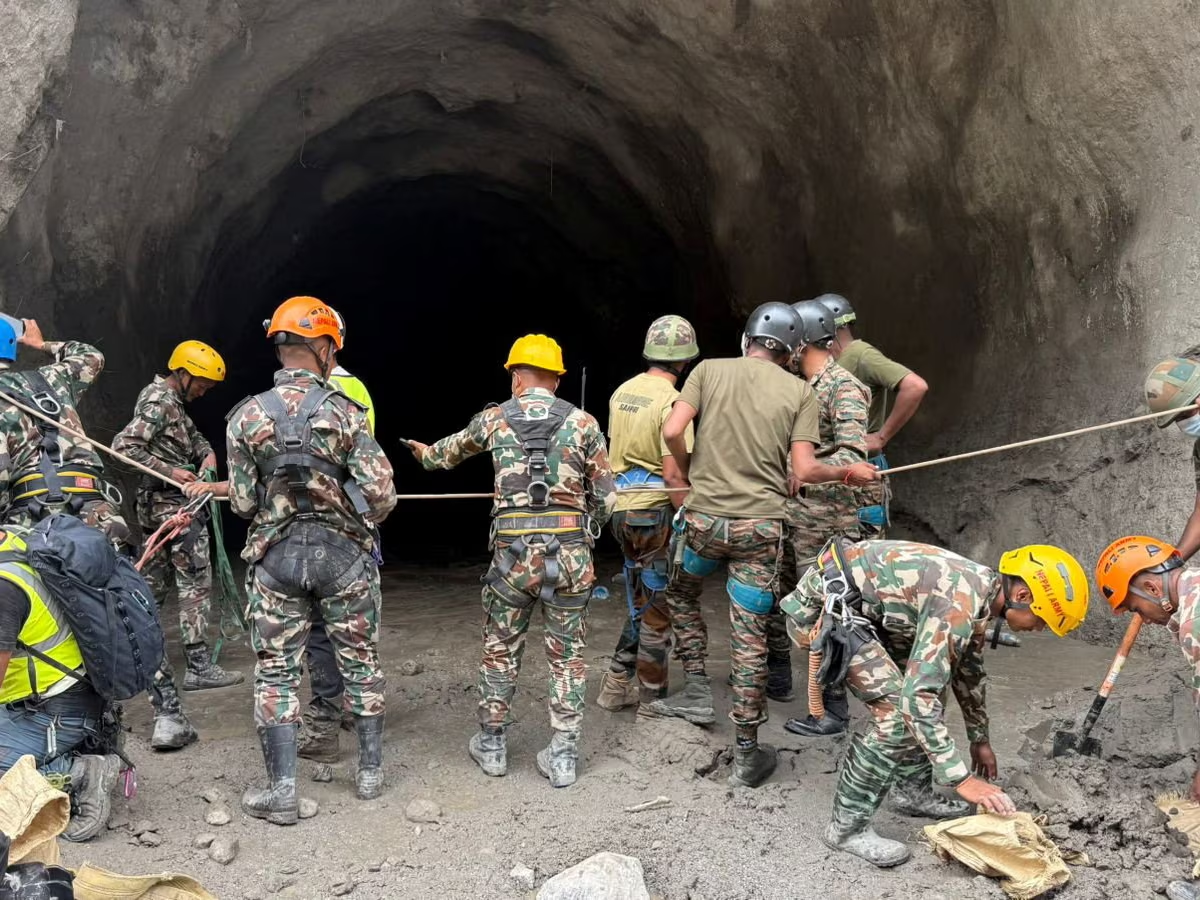
Nepal rescue efforts accelerated on Tuesday as international specialist teams mobilized to reach trapped hydropower tunnel workers. Emergency responders from neighboring India and China joined domestic military forces across severe flood destruction zones. Authorities suspect a sudden high-altitude glacier collapse triggered the catastrophic torrent of ice, mud, and heavy debris. Consequently, devastating floodwaters swept through mountain valleys, destroying infrastructure and taking hundreds of lives across affected districts. Furthermore, rescue operations focus heavily on reaching nearly one thousand workers isolated inside subterranean energy facilities.
Therefore, engineering corps use heavy excavators and controlled explosives to clear thick mud layers blocking underground entrances. High-intensity searchlights illuminate dark pit sites while search crews dig continuously through packed Himalayan rock deposits. Army commanders confirmed that emergency workers successfully retrieved three bodies after breaching two buried access shafts. However, massive debris accumulations continue to present formidable physical obstacles for heavy machinery operators attempting entry. Meanwhile, health officials manage grave site burials in low-lying plains as humid weather conditions accelerate decomposition.
Simultaneously, government agencies coordinate international assistance as hundreds of foreign citizens remain missing across border regions. Chinese authorities report significant casualties and missing residents within adjacent mountain territory following the sudden deluge. Consequently, diplomatic offices coordinate emergency logistics to assist affected foreign tourists and local infrastructure personnel. Furthermore, regional power developments utilize extensive subterranean systems that present acute rescue challenges during natural disasters. Ultimately, Nepal rescue efforts persist through difficult conditions to locate missing individuals and clear damaged power installations.
