
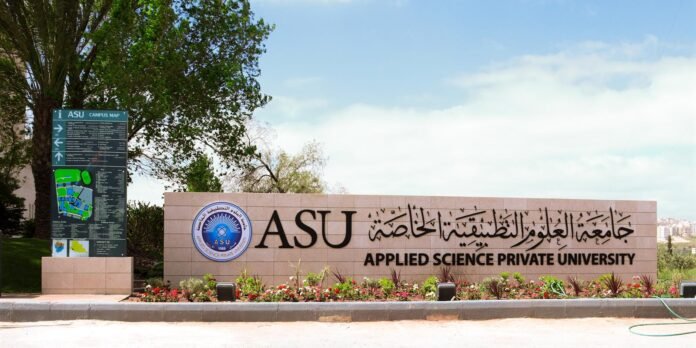
Bahrain’s Applied Science University is expanding AI training within its engineering programmes as construction increasingly adopts digital technologies. The university has updated its architectural and civil engineering courses to reflect Bahrain’s growing use of Building Information Modelling and digital construction.
The changes respond to wider efforts across the kingdom to modernise infrastructure development through technology. In particular, the programmes connect three-dimensional BIM with artificial intelligence to support more efficient planning and project delivery.
These technologies can help engineering teams detect potential design conflicts before construction begins. They can also improve resource allocation, reduce unnecessary expenses, and support better decisions throughout major development projects.
Meanwhile, ASU combines digital engineering with sustainability and contemporary industry practices across its academic curriculum. This approach gives students practical knowledge that can support their transition into increasingly technology-driven engineering careers.
The university delivers these programmes through an academic partnership with London South Bank University in the United Kingdom. Consequently, students gain an international educational experience while studying within Bahrain’s evolving engineering sector.
Graduates receive dual degrees from ASU and LSBU after completing the relevant programmes. This qualification structure can strengthen their professional opportunities across Bahrain, other GCC markets, and international employment sectors.
The architectural engineering programme covers several areas connected to modern building development and management. Students study building design, environmental systems, construction processes, and management principles throughout their academic training.
Furthermore, the programme introduces digital tools that can improve efficiency across different stages of building development. Students therefore gain skills that can support smarter planning, stronger coordination, and more effective operational management.
The civil engineering programme takes a different approach by concentrating on essential infrastructure and sustainable development. It incorporates Geographic Information Systems to help students understand and manage complex infrastructure data.
For example, GIS applications can support stormwater management and improve planning decisions for sustainable infrastructure projects. These capabilities reflect the growing importance of data-driven methods within modern civil engineering.
AI training remains an important component of the broader digital transformation taking place across Bahrain’s construction industry. As infrastructure projects become more complex, engineers increasingly need technological skills alongside traditional technical knowledge.
Both engineering programmes have also achieved global accreditation from the Chartered Institute of Building. This recognition adds an international professional dimension to the qualifications available through ASU.
Additionally, the university provides partial scholarships to encourage qualified students to enrol in the programmes. Scholarship support ranges from 25 percent to 35 percent, depending on students’ academic performance in secondary school.
The financial support could make these technology-focused engineering programmes more accessible to high-performing students. At the same time, the university continues positioning its courses around the skills employers increasingly need.
Bahrain’s wider digital development agenda continues to influence the way universities prepare future professionals. Engineering graduates will increasingly need to understand digital modelling, artificial intelligence, sustainability, and data-based planning.
Through its updated programmes, ASU is combining international academic partnerships with Bahrain’s national technology priorities. The university’s approach aims to prepare students for engineering careers shaped by smart infrastructure and digital construction.
Overall, AI training at ASU reflects the changing demands of Bahrain’s engineering and construction sectors. By combining BIM, GIS, artificial intelligence, sustainability, and international qualifications, the programmes provide students with skills for future infrastructure development.
