
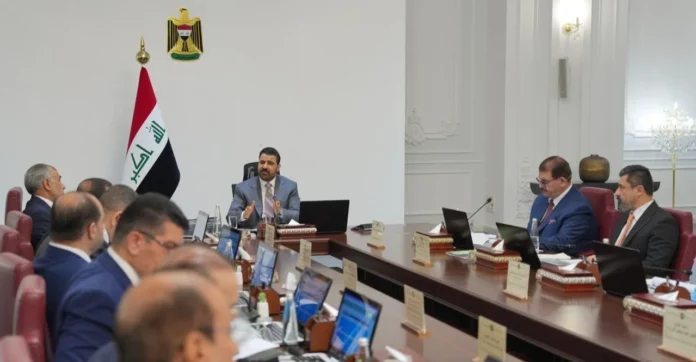
Housing Plot Project development began in Al-Anbar after Iraqi Prime Minister Ali Al-Zaidi inaugurated land distribution. Executive authorities launched work on fifty thousand residential plots allocated specifically for eligible local families nationwide. Furthermore, this major infrastructure venture operates under the broader Watan Initiative targeting one million free residential units. Consequently, federal leaders aim to alleviate long-standing urban congestion while supporting low-income households across all provinces.
Meanwhile, Prime Minister Al-Zaidi inspected several major ongoing municipal construction projects located throughout the provincial capital. Executive delegations evaluated progress at the new administrative city center alongside the Al-Anbar Olympic Stadium venue. Additionally, local government spokespersons highlighted that high-level administrative visits carry substantial economic and public-service significance. Therefore, municipal leadership expects official talks to accelerate suspended federal budget transfers and border revenue sharing.
Furthermore, national authorities instructed provincial administrations to finalize land survey procedures before the end of 2026. Official government metrics confirm that Karbala, Najaf, and Al-Anbar met all legal allocation requirements early. Moreover, neighboring Diyala province prepared over seven thousand dunams to supply forty-four thousand residential plots soon. Consequently, federal ministries continue evaluating municipal land submissions to expedite national construction approvals across participating regions.
Additionally, executing this Housing Plot Project strengthens national infrastructure expansion efforts across fifteen participating Iraqi provinces. Official government statistics show that the housing initiative encompasses over one hundred twenty-one distinct cities nationwide. Furthermore, central administration teams successfully prepared two hundred seventy-five thousand residential land units for distribution. Therefore, public sector planners anticipate steady urban growth as regional infrastructure development progresses across the country.
In conclusion, large-scale residential land distribution programs provide essential foundations for long-term socio-economic development across Iraq. Furthermore, accelerating key infrastructure construction creates substantial employment opportunities for skilled local laborers within provincial communities. Moreover, resolving regional budgetary disputes strengthens institutional trust between local governments and federal authorities in Baghdad. Consequently, nationwide housing initiatives continue addressing critical population needs through structured public land allocations.
