
Oil Prices fell more than 3% on Monday as renewed diplomatic discussions raised hopes of easing tensions surrounding Iran. The decline followed three consecutive days of consultations between Iranian and Qatari officials. Their discussions aim to support efforts toward ending the ongoing US-Israeli conflict involving Iran.
Brent crude futures dropped by $3.68, or 3.2%, reaching $109.75 per barrel. Meanwhile, US West Texas Intermediate crude declined by $3.43, or 3.3%, to $100.69 per barrel. Both benchmarks recorded significant losses during early trading on Monday. Consequently, investors reassessed the immediate risks facing international energy supplies.
The latest decline followed a strong performance throughout the previous week. In fact, Brent crude finished October at its highest level in six months. Investors had previously worried that tensions between Washington and Tehran could intensify following Tuesday’s US midterm elections. However, diplomatic developments and the absence of major military escalation over the weekend eased some immediate concerns.
Tim Waterer, chief market analyst at KCM Trade, described Monday’s movement as a technical correction. He explained that recent gains had encouraged a temporary retreat in prices. Furthermore, continued hopes for diplomatic progress helped reduce concerns about immediate supply disruptions. Nevertheless, Waterer warned that stronger political rhetoric could renew upward pressure on crude prices.
He also noted that developments following the American midterm elections could influence market expectations. If tensions increase, Brent crude could approach $120 per barrel, according to his assessment. Therefore, traders continue monitoring political statements alongside developments from the diplomatic discussions.
Iranian Foreign Minister Abbas Araqchi addressed the negotiations on Sunday. He described the discussions as ongoing and progressing, while highlighting continued consultations with Qatari mediators. Additionally, Araqchi said Tehran remained prepared to pursue both defence and diplomacy. His remarks indicated that diplomatic engagement continues despite the wider security concerns.
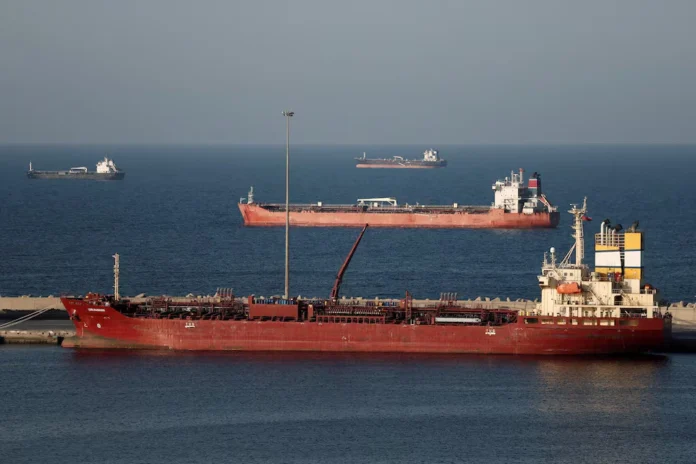
Meanwhile, attacks on oil tankers travelling through the Strait of Hormuz remain a major concern. These incidents have increased pressure on global shipping operations and energy transportation costs. As a result, market participants continue considering the possibility of further disruptions. The strategic waterway remains particularly important because of its role in international energy trade.
Saudi Arabia also increased its crude exports in October compared with September. However, attacks by Iran-aligned Yemeni Houthi forces on Saudi energy infrastructure complicated the regional supply picture. Three shipping-tracking companies provided information on the export increase, although two confirmed the reported rise.
Analysts at ING said recent market movements reflected growing concern about possible further hostilities. They highlighted the geopolitical risk premium that traders have incorporated into crude prices. Moreover, they questioned whether that premium would gradually decline if neither military escalation nor diplomatic progress followed the elections.
Separately, the Organization of the Petroleum Exporting Countries and its partners, known as OPEC+, maintained December production targets. The decision followed expectations that the group would avoid further adjustments until next year. Nevertheless, the Iran conflict continues creating challenges for oil exports and international supply arrangements.
Overall, Oil Prices remain sensitive to diplomatic developments, military risks, and decisions by major producing countries. Monday’s decline offered some relief after last week’s strong gains. However, uncertainty surrounding the conflict continues shaping expectations across global energy markets. Investors will closely follow the Qatar-led discussions and regional security developments for further indications of market direction.
