
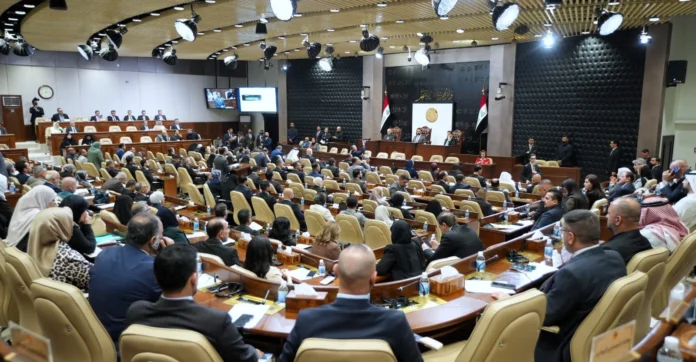
Iraq’s parliamentary committee disputes have delayed a Coordination Framework meeting as political blocs continue negotiations over leadership positions. Several appointments remain unresolved, including posts linked to committees overseeing culture, tourism and antiquities.
Arif Abdul Jalil Al-Hamami, a lawmaker from the State of Law Coalition, confirmed the ongoing discussions. His coalition belongs to the Coordination Framework, an alliance of Shiite political forces. He said lawmakers still need to settle arrangements for several parliamentary committees before completing the process.
One major issue concerns the Culture and Tourism and Antiquities Committees. Previously, lawmakers handled these portfolios through a single committee. However, the separation of the Ministry of Culture from the Ministry of Tourism and Antiquities created the need for two separate parliamentary bodies.
Consequently, political blocs must agree on the membership of both committees. Al-Hamami indicated that lawmakers expect to finalise their composition in the coming days. Nevertheless, the broader negotiations continue to affect the distribution of leadership roles across parliamentary committees.
A source within the Coordination Framework also confirmed that the appointment process remains incomplete. The committee responsible for coordinating selections with the relevant parliamentary authorities has yet to finish its work. In particular, the selection of deputy committee chairpersons remains a significant outstanding issue.
These unresolved discussions prompted political leaders to postpone a Coordination Framework meeting scheduled for Monday. According to the source, the delay will give participating groups additional time to reach an agreement. However, no new meeting date was specified in the available information.
The dispute follows earlier efforts to establish a mechanism for distributing parliamentary committees among Iraq’s political blocs. Last week, the Reconstruction and Development parliamentary bloc presented a framework based on established criteria. Under its proposal, political groups would first receive committee allocations according to their respective shares.
After that initial distribution, the committees would fall into three categories, designated A, B and C. Category A includes the Security and Defense, Finance, Investment, and Energy and Natural Resources committees. These portfolios cover major security and economic responsibilities within parliament.
Meanwhile, Category B includes Education, Higher Education, Planning, Agriculture and other service-related committees. Category C covers Culture, Youth and Sports, alongside other portfolios. This classification provides a structure for distributing committees after political blocs determine their respective allocations.
The current negotiations also follow changes to parliament’s internal rules earlier this year. On February 17, 2026, lawmakers voted to amend those rules and establish 22 standing committees. The structure included a committee covering culture, media, tourism and antiquities.
In March, parliament approved membership for 11 committees. Nevertheless, political blocs have continued negotiating leadership positions, leaving parts of the wider appointment process unfinished.
The latest delay highlights the challenges facing political groups as they work to complete committee appointments. Until the outstanding issues receive agreement, the Coordination Framework must continue negotiations before advancing its parliamentary arrangements.
Further progress will depend on whether participating blocs can settle the remaining leadership selections. The pending decisions will shape committee responsibilities and help determine how parliament completes its internal organisational structure.
