
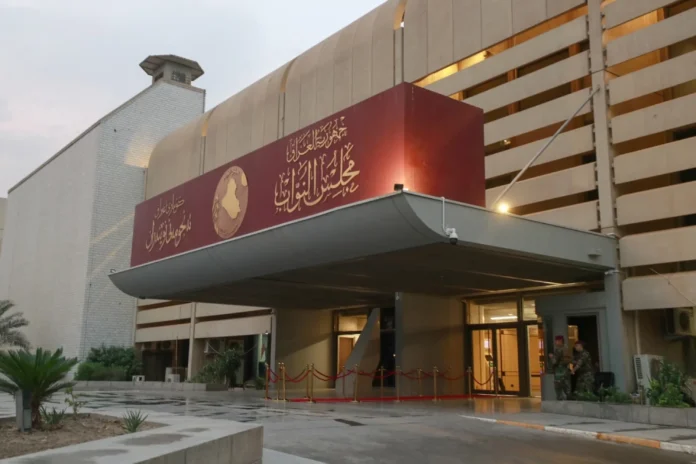
Dinar devaluation has triggered fresh scrutiny in Iraq after parliament canceled a planned session. The session would have brought the finance minister and central bank governor before lawmakers. Parliament had scheduled the meeting to examine the new exchange rate. However, the Finance Committee will instead meet the officials separately.
The parliamentary presidency canceled Thursday’s session, according to a parliamentary source. The change came one day after lawmakers demanded explanations about the currency decision. Lawmakers had also called for an open discussion about its possible consequences. Therefore, the exchange rate remains a major issue for parliament.
The Finance Committee plans to meet the finance minister and central bank governor. Lawmaker Sipan Shirwani confirmed the planned meeting. He said officials would discuss the reasons behind the exchange rate adjustment. The discussion could also include Iraq’s draft federal budget.
Parliament had changed its agenda on Wednesday following the currency announcement. Lawmakers agreed to postpone planned business and hold an open debate. They also decided to invite senior financial officials for questioning. Consequently, the exchange rate decision quickly moved to the center of parliamentary discussions.
The Central Bank of Iraq introduced the new official exchange rates on Wednesday. The bank set the cash dollar price for the public at 1,520 dinars. The previous rate stood at 1,320 dinars per dollar. The adjustment represents a significant change in the official currency structure.
The new structure also includes different rates for government and banking transactions. The Finance Ministry will purchase dollars at 1,500 dinars per dollar. Banks will receive dollars at a rate of 1,510 dinars. The public will pay 1,520 dinars for cash dollars through the official system.
The central bank described the measure as a strategic financial step. It also said the country’s foreign reserves remain sufficient. Meanwhile, the government faces pressure from weaker oil revenues and disrupted exports. Those pressures have increased attention on Iraq’s fiscal position.
The currency adjustment also affects Iraq’s broader budget discussions. The draft budget faces significant spending and financing requirements. Oil revenues remain central to government finances. Therefore, changes in oil exports can affect the state’s available dollar income.
Lawmakers had already begun questioning the timing and impact of the decision. Some members sought a parliamentary review of the new rate. Others requested meetings with the finance minister and central bank governor. These efforts show the level of attention surrounding the policy change.
The parliamentary Finance Committee now has a central role in the discussion. Its meeting could provide lawmakers with more information about the government’s calculations. It may also clarify the expected impact on public finances. Furthermore, officials could explain how authorities plan to manage the transition.
The exchange rate change could also affect businesses and consumers across Iraq. Imported goods become more expensive when the dinar loses value. Companies that depend on dollar payments may also face higher costs. Meanwhile, households could feel pressure from changes in import prices.
The government has presented the exchange rate adjustment within a wider financial strategy. Iraq continues to manage pressure from disruptions affecting oil exports. Those disruptions have reduced the country’s access to foreign currency. As a result, exchange rate policy has gained greater importance.
The parliamentary debate could therefore extend beyond the currency itself. Lawmakers may examine budget assumptions and government spending plans. They could also question how officials will protect financial stability. In addition, the committee may seek details about future exchange rate policies.
For now, parliament has replaced the planned public session with committee-level discussions. The Finance Committee will focus on the reasons behind the adjustment. It will also examine possible effects on the federal budget. Dinar devaluation therefore remains a major economic and political issue in Baghdad.
