
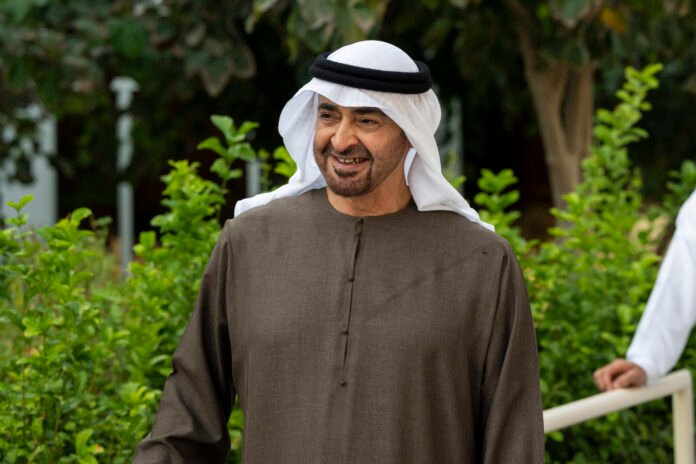
UAE President Sheikh Mohamed bin Zayed Al Nahyan addressed students across the country on Monday as the academic term commenced. He told the youth that they represent the future of the nation while emphasizing the vital importance of modern technology.
The country opened classroom doors for the 2026–2027 academic calendar across all primary and secondary educational institutions. Consequently, school administrators prepared academic facilities to accommodate hundreds of thousands of returning students and teachers nationwide.
During an official broadcasted audio address, Sheikh Mohamed urged young people to maintain strong ties to local heritage. Furthermore, he asked families and educators to collaborate as one united team to nurture creative young minds.
As artificial intelligence rapidly reshapes global industries, the president highlighted digital literacy alongside traditional classroom learning subjects. Therefore, academic institutions are integrating advanced digital skills directly into their core instructional programs this year.
In recent years, the region has invested heavily in modernizing public education systems and local digital infrastructure. Indeed, these governmental initiatives aim to build a strong knowledge-based economy driven by innovation and talent.
School principals welcomed the presidential message, noting that parental involvement directly improves student academic overall performance. Similarly, community leaders praised the strong emphasis on balancing rapid technological progress with traditional cultural principles.
Educational ministry officials continue expanding classroom resources to ensure equitable access to high-speed internet and devices. In addition, new training courses help teachers introduce emerging software tools into their daily teaching practices.
Economic experts believe that early exposure to software tools prepares students for upcoming global labor markets. Hence, business leaders support public school initiatives that encourage practical problem-solving and critical thinking skills.
Looking ahead, educational leaders plan to monitor student progress in science, technology, and software development programs. Ultimately, government leaders believe these young scholars remain the absolute future of the nation as competition increases.
