
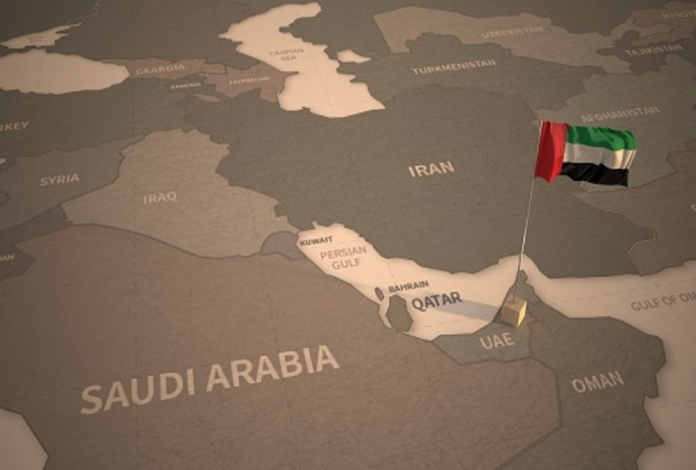
The United Arab Emirates has raised its crude oil production to near-record levels, with output exceeding 3.8 million barrels per day in June following its departure from Organization of the Petroleum Exporting Countries production quotas, according to sources familiar with production data.
The increase marks the country’s highest production level since April 2020 and comes just weeks after the UAE ended its participation in OPEC and OPEC+ production limits. The move reflects Abu Dhabi’s long-standing position that its investment in expanding production capacity should allow it greater flexibility to meet global energy demand.
Officials have previously argued that removing output restrictions would enable the country to make full use of its energy infrastructure while supporting international markets.
The rise in production comes as global oil markets shift from concerns over supply disruptions during the recent regional conflict involving Iran to growing expectations of increased crude supply.
State energy company Abu Dhabi National Oil Company and the UAE’s Energy Ministry have not publicly commented on the latest production figures.
Market participants also reported that ADNOC has been offering crude cargoes through tenders at discounted prices, reflecting stronger supply in the market.
The UAE’s recovery in oil production has outpaced several Gulf producers. While exports from neighbouring countries have recovered following regional disruptions, many remain below production levels recorded before the conflict.
The latest figures underscore the UAE’s strategy of expanding its role in global energy markets by increasing production capacity and strengthening its position as one of the world’s leading oil exporters.
