
Oman is stepping up efforts to reshape its energy sector through a series of renewable power projects and emissions reduction initiatives aimed at supporting its long-term climate goals.
The Ministry of Energy and Minerals said the programme is designed to strengthen energy production while cutting carbon emissions, in line with the country’s target of reaching net-zero by 2050 under Oman Vision 2040.
Officials said the strategy includes a combination of renewable energy investment, improved oil recovery technologies, and carbon capture and storage projects across key production sites.
Among the developments is a pilot project at the Zalima oil field operated by Petroleum Development Oman, which uses carbon dioxide in enhanced oil recovery. The method allows oil to be extracted from hard-to-reach formations while also supporting emissions reduction efforts.
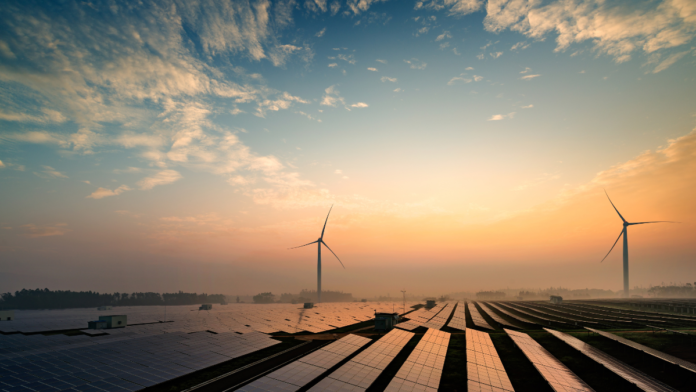
Oman is also expanding its renewable energy capacity. Wind 1 and Wind 2 projects, with a combined output of 200 megawatts, are nearing completion in Concession Area 6 and are expected to begin operations later this year, cutting hundreds of thousands of tonnes of carbon emissions annually.
A 100-megawatt solar project in northern Oman is also progressing, alongside existing initiatives such as the Amin Solar Power Plant, which has already delivered significant emissions reductions since coming online in 2020.
Other sustainability projects include advanced water treatment systems such as the Nimr Wetland Project and the Rima facility, both of which use natural or low-energy processes to treat large volumes of produced water while reducing emissions.
The government has also outlined plans to reduce routine gas flaring and increase the use of recovered gas in power generation, as part of wider efforts to improve efficiency in the oil and gas sector.
Oman’s National Net Zero Strategy aims to cut greenhouse gas emissions by 33 percent by 2035 compared with 2024 levels, with further reductions dependent on investment, technology transfer and international support.
Officials say the combination of regulatory reform, carbon market development, and large-scale renewable projects reflects a balanced approach between sustaining the energy sector and accelerating the shift toward cleaner sources of power.
