
Iraq is facing mounting financial losses following the suspension of civilian overflights through its airspace amid heightened regional tensions.
According to the Eco Iraq Observatory, the closure is costing the country an estimated $360,000 per day after authorities halted air traffic in response to the latest military escalation between Iran and Israel.
Before the suspension, Iraqi airspace handled around 800 flights daily, with airlines paying transit fees averaging about $450 per aircraft.
The observatory said the restrictions are resulting in losses of nearly $15,000 an hour, raising concerns over the impact on Iraq’s efforts to diversify revenue sources beyond the oil sector.
Officials and analysts have repeatedly highlighted Iraq’s strategic geographical position as a major aviation corridor linking Asia, Europe and the Middle East.
The closure followed a decision by Iraqi authorities to suspend flights and shut down the country’s airspace as security concerns intensified in the region.
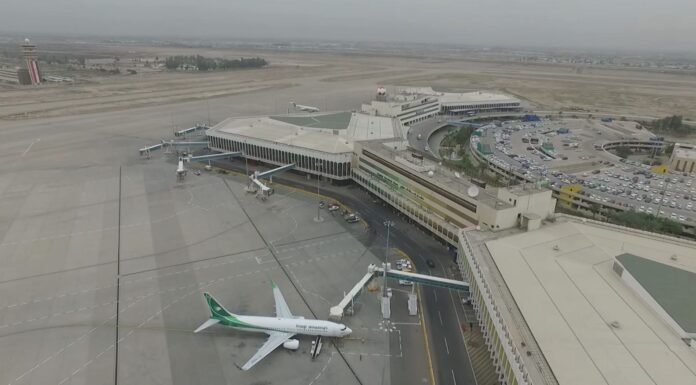
The measures affected operations at Baghdad International Airport as well as airports in Kirkuk and the Kurdistan Region, including Erbil International Airport.
Analysts warned that prolonged disruption could place additional pressure on Iraq’s economy and aviation sector if normal flight operations are not resumed once conditions stabilise.
