
Bruises are common minor injuries caused by impacts or falls, appearing as skin discoloration when small blood vessels break and leak beneath the surface. While usually harmless, they can be painful and visually noticeable, prompting many people to look for ways to speed up recovery.
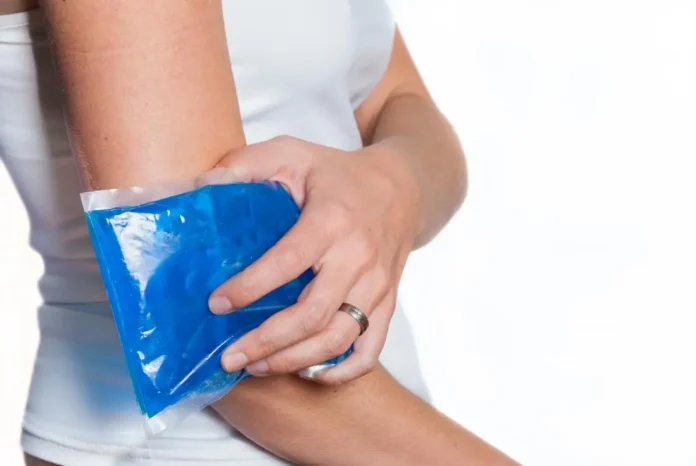
Health guidance published by the medical website Verywell Health notes that early care plays a central role in recovery, particularly in the first two days after injury. It states that “Cold compresses during the first 48 hours are the most important factor in speeding up the healing of bruises and reducing swelling.”
The recommendation is to apply ice packs wrapped in cloth for short intervals of around 10 to 15 minutes, repeated several times a day. This helps constrict blood vessels, limit internal bleeding, and reduce swelling in the affected area.
Experts also advise elevating the injured limb when possible, especially if the bruise is on the arm or leg. Raising the area above heart level can reduce blood flow and help control swelling in the early stages of injury.
After the initial 48 hours, care typically shifts from cooling to warmth. Warm compresses may help improve circulation and support the body’s natural process of absorbing pooled blood under the skin, gradually reducing discoloration.
Nutrition is also considered an important supporting factor in recovery. Vitamin C helps with collagen production and tissue repair, vitamin K supports normal blood clotting, and protein contributes to rebuilding damaged tissue. Foods such as citrus fruits, leafy greens, and protein-rich meals are commonly recommended.
Some topical treatments may also provide relief. These include arnica-based creams, vitamin K ointments, and aloe vera gel, which are often used for their soothing and anti-inflammatory properties, although responses may vary between individuals.
At the same time, experts caution against actions that may worsen bruising, such as unnecessary pressure or vigorous massage in the early stages. Certain painkillers, particularly aspirin-based medications, may also increase bleeding risk and slow recovery.
Doctors generally consider most bruises harmless, but medical advice is recommended if bruising appears frequently without clear cause, persists unusually long, or is accompanied by severe pain or swelling.
Overall, recovery depends largely on time, but early care remains important. As the guidance notes, “Cold compresses during the first 48 hours are the most important factor in speeding up the healing of bruises and reducing swelling,” alongside proper rest and supportive care measures that help the body heal more efficiently.
