
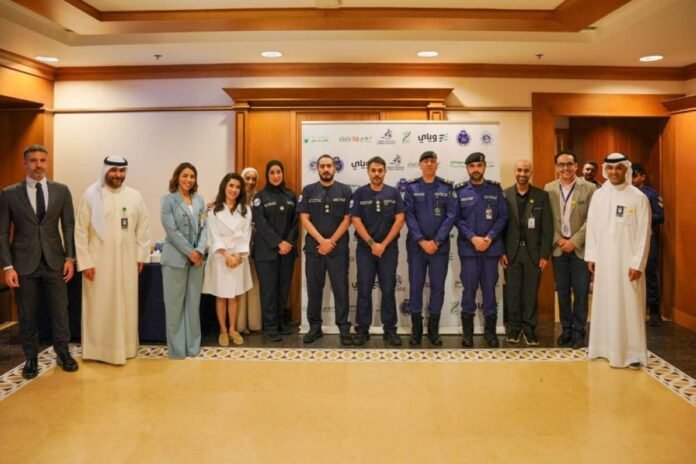
A new push for Kuwait community preparedness is taking shape as Weyay Bank joins hands with several national institutions to strengthen public readiness for emergencies. The initiative brings together health, security, and financial experts to equip residents with practical skills for crisis situations. Organizers say the goal is to build a more resilient society through education and awareness.
Weyay Bank launched the awareness campaign in collaboration with the Kuwait Fire Force, the Ministry of Interior, BioHack, and Kuwait Hospital. The program focuses on emergency response, first aid training, psychological readiness, and financial decision-making during crises. A public event held at Kuwait Hospital introduced participants to essential life-saving knowledge and practical techniques.
The event aimed to give community members the confidence to act quickly and correctly during emergencies. Specialists from Kuwait Hospital delivered training on first aid and immediate medical response. They explained how early action in the first minutes can significantly improve survival outcomes. Participants also learned basic procedures that can stabilize situations before professional help arrives.
Security and safety experts from the Kuwait Fire Force contributed sessions on fire safety and emergency behavior. They highlighted how proper awareness and preparation can reduce injuries and damage during accidents. Officials emphasized that public education plays a key role in supporting emergency teams during crisis situations.
The Ministry of Interior focused on psychological readiness during emergencies. Experts explained how stress affects decision-making and behavior in high-pressure situations. They encouraged participants to develop mental stability to improve response quality during unexpected events. This approach, they noted, strengthens overall community resilience.
Financial awareness formed another important part of the program. A session led by Weyay Bank representatives highlighted the importance of financial planning during emergencies. Speakers explained how individuals should manage resources carefully and avoid impulsive financial decisions during crises. They stressed that financial stability supports overall safety and recovery.
Organizers also addressed the connection between physical, mental, and financial readiness. They explained that strong preparedness requires balanced awareness across all areas of life. This integrated approach reflects the broader vision behind Kuwait community preparedness, which aims to empower individuals at multiple levels.
BioHack contributed a workshop focused on stress management and body awareness under pressure. Experts encouraged participants to understand how stress affects performance and decision-making. They also discussed techniques for turning pressure into focused action during emergencies. Hospital specialists supported these discussions with practical medical insights.
The program concluded with interactive sessions led by medical and safety professionals. Participants engaged directly with experts and asked questions about real-life emergency scenarios. Organizers noted strong public interest and active participation throughout the event.
Weyay Bank officials reaffirmed their commitment to social responsibility programs that extend beyond banking services. They stated that Kuwait community preparedness remains a priority in their long-term community strategy. The bank plans to continue supporting initiatives that improve health awareness, safety skills, and financial literacy.
As the program continues to expand, Kuwait community preparedness is expected to play a larger role in national awareness campaigns. Organizers believe such initiatives will help build safer and more informed communities across the country.
