
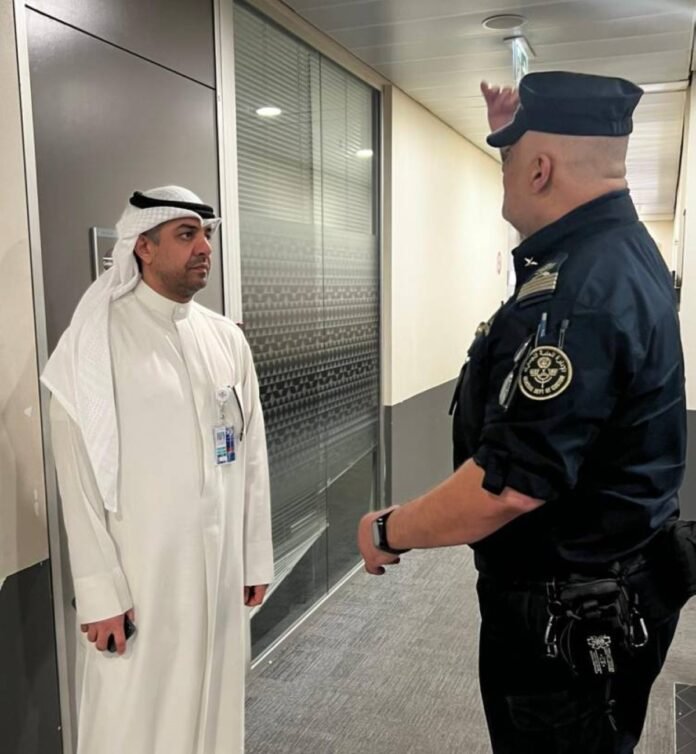
The Kuwait airport readiness plan is taking shape as customs authorities step up preparations for an expected rise in flight activity. Officials aim to ensure smooth passenger movement and secure trade operations at Kuwait International Airport. The initiative focuses on improving efficiency while maintaining strict security standards. Authorities also emphasize coordination across all airport departments.
A senior official from the General Administration of Customs for Ports, Search and Customs Investigations recently inspected Terminal 4. He reviewed operational readiness and assessed current procedures. The visit aimed to strengthen performance ahead of increased travel demand. Officials say such inspections help identify gaps and improve coordination between teams.
The Kuwait airport readiness plan includes upgrading customs procedures and reinforcing staff preparedness. Authorities want to ensure that incoming and outgoing passengers experience faster processing times. At the same time, they aim to maintain high security standards across all checkpoints. The plan also supports the country’s growing role in regional trade.
During the inspection, officials stressed the importance of continuous improvement. They encouraged teams to intensify efforts and maintain full readiness. According to customs leadership, efficient operations at the airport directly support national trade activity. They also contribute to boosting investor and traveler confidence.
Terminal 4 plays a key role in handling international flights and passenger flow. Therefore, authorities prioritize its operational readiness. The Kuwait airport readiness plan places special focus on this terminal to ensure it meets expected demand. Enhancements include better coordination systems and improved inspection processes.
Officials also highlighted the broader economic importance of airport operations. Smooth customs procedures help facilitate imports and exports more effectively. In addition, efficient travel systems support tourism and business connections. These factors contribute to Kuwait’s long-term economic strategy.
The customs authority continues to work on a broader framework for modernization. This includes training programs, updated systems, and stronger inter-agency cooperation. Officials believe these measures will support sustainable growth in aviation and trade sectors.
Overall, the Kuwait airport readiness plan reflects a proactive approach to upcoming operational demands. Authorities remain focused on balancing security with efficiency. As preparations continue, officials expect the airport to handle increased activity smoothly in the coming period.
