
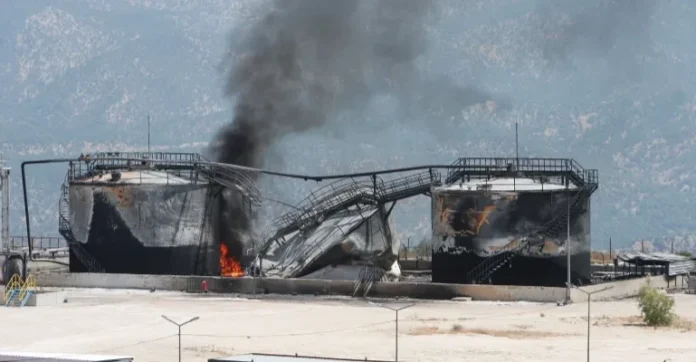
Kurdistan is facing a wave of drone and missile strikes that have killed civilians, soldiers, and security personnel since February 28, 2026. These attacks highlight the fragile security situation and the complex political dynamics in the Region. Experts warn that repeated strikes could escalate tensions and destabilize the area.
Since the outbreak of hostilities involving the United States, Israel, and Iran, the Kurdistan Region has recorded around 650 drone and missile strikes. These attacks caused at least 16 fatalities and injured roughly 100 people. Most of the strikes targeted Erbil, followed by Sulaimani, Duhok, and Halabja.
Authorities note that nearly 80% of these strikes hit Erbil alone. Drones and missiles struck government buildings, energy facilities, civilian homes, and military positions. Kurdish officials argue that the pattern of attacks shows deliberate planning, not random targeting.
Iran-aligned armed factions carried out a significant portion of the attacks, often avoiding official claims of responsibility. Analysts explain that this strategy of plausible deniability protects perpetrators from legal and diplomatic consequences. Legal experts warn that targeting civilians and civilian structures violates international law.
The strikes killed Peshmerga fighters, Asayish personnel, Iranian Kurdish opposition fighters, civilians, and even a French soldier stationed in Erbil. These casualties reflect specific strategic interests, including suppressing opposition movements and applying pressure on Western military presence.
Legal analysts emphasize that repeated attacks, even without claimed responsibility, can still form the basis for international legal accountability. Forensic evidence from recovered drone debris, documented target patterns, and command responsibility principles could support war crimes investigations.
Kurdistan authorities are pursuing legal and diplomatic tracks, including UN complaints, evidence collection, and terrorist classifications of perpetrators. Political observers stress that Baghdad bears constitutional responsibility to protect Iraqi sovereignty. Coordination between Baghdad and Erbil remains essential to prevent further attacks.
The surge of drone and missile strikes underlines both the human cost and the geopolitical stakes in the region. International observers call for heightened attention to civilian protection, stronger diplomatic pressure, and enforcement of international humanitarian law.
