
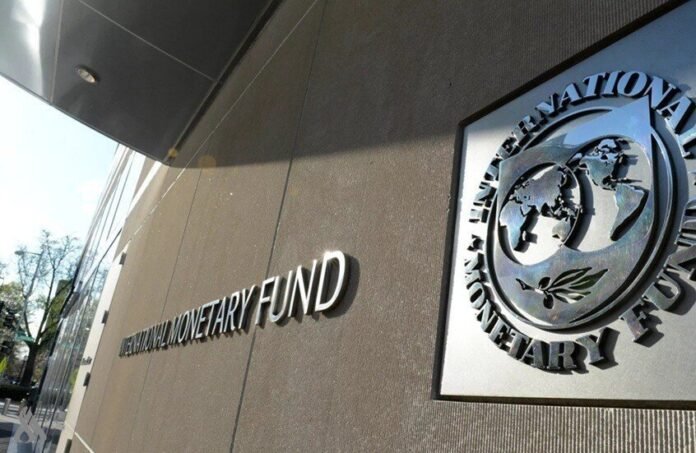
Iraq’s economy continues to grow, ranking fifth among the largest Arab economies in 2026. The International Monetary Fund highlights Iraq’s economic progress and projections for future growth. Iraq’s economy demonstrates resilience amid regional and global challenges.
According to the IMF report, Iraq reached $739.13 billion in GDP based on purchasing power parity (PPP), placing it 44th globally. Saudi Arabia led Arab economies with the highest GDP, followed by Egypt, the United Arab Emirates, and Algeria. Iraq’s strong performance shows steady development and expanding economic influence in the region.
The report also noted that Iraq’s nominal GDP at current prices totaled $273.91 billion. The real growth rate is 3.6%, reflecting consistent expansion in multiple sectors. GDP per capita (PPP) stood at $15,850, supported by a population of 46.64 million. These figures demonstrate Iraq’s economic capacity and potential for sustainable growth.
Financial stability indicators remain solid. Annual inflation in Iraq stabilized at 2.5%, while the government’s net lending/borrowing balance recorded -7.1%. The current account deficit stood at 1.1%, showing balanced fiscal management despite regional uncertainties.
Furthermore, the IMF highlighted that Iraq’s economy is projected to continue growing through 2030. Analysts note that ongoing reforms, investment in infrastructure, and development of the oil and gas sector contribute to this outlook. Diversification efforts also aim to strengthen non-oil sectors and improve employment opportunities.
Globally, the report confirmed that China, the United States, and India remain the top three largest economies. Iraq’s ranking among Arab nations emphasizes its significant regional role and growing global economic presence. Economists argue that continued growth depends on investment, political stability, and strategic planning.
Iraq’s economy reflects steady development, fiscal responsibility, and potential for future expansion. The country remains committed to building resilience and improving prosperity for its population. Continuous reforms and strategic planning will likely enhance Iraq’s economic performance in the coming years.
