
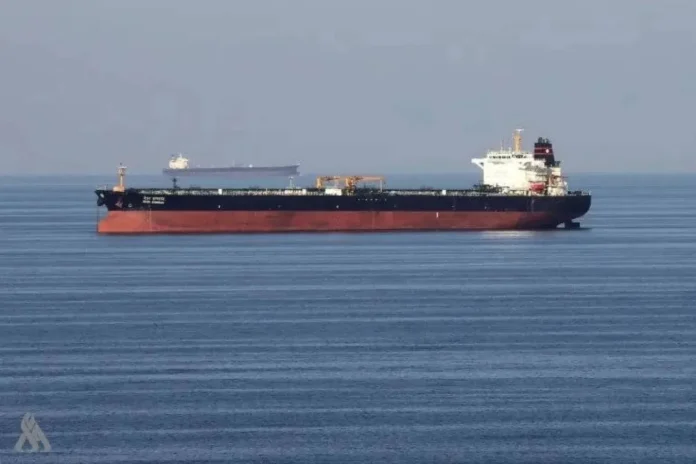
Iraq’s oil export challenges are creating growing concerns about the country’s economic stability. The recent disruptions in shipments threaten revenue and national growth. Despite Iran’s exemption allowing Iraqi tankers to pass through the Strait of Hormuz, experts warn that logistical and security obstacles persist.
A sharp decline in exports has hit Iraq’s oil sector. Production previously reached about 3.5 million barrels per day, but current exports dropped to roughly one million barrels daily, mostly consumed domestically. Only 300,000 barrels per day move through Kurdistan via Türkiye’s Ceyhan port. Additional shipments rely on overland routes to Jordan and Syria, which remain limited.
Economists estimate Iraq faces a monthly fiscal deficit of $5–6 billion due to export disruptions. While Iran’s decision offers potential relief, specialists argue that recovery depends on more than political statements. Technical challenges, maritime risks, high insurance costs, and contractual arrangements all influence the ability to resume shipments safely.
Security remains a major concern. Recent drone attacks targeted four oil facilities in southern Basra, reportedly by Iran-backed armed groups. These incidents cast doubt on the safety of shipping routes and highlight the inconsistency between Tehran’s statements and actions on the ground.
Assem Jihad, former oil ministry spokesman, stressed that Iraq’s export capacity relies on external shipping companies rather than a national fleet. He added that insurance costs for vessels in conflict zones remain high, deterring companies from operating in southern ports. Export confidence will only return once risks decrease and maritime conditions stabilize.
Economic researcher Ziad al-Hashimi also noted that many southern fields run by foreign firms remain under “force majeure” since March 20. Lifting this status requires security assurances and operational stability. Without improvements, production and exports cannot return to previous levels.
Foreign Minister Fuad Hussein thanked Iran for allowing Iraqi tankers passage and discussed implementation mechanisms with the Iranian ambassador. However, experts highlight that empty tankers still face risks entering the strait, complicating export recovery.
Iraq’s oil export challenges reveal structural weaknesses, security threats, and logistical limitations. Experts stress that resolving these issues is critical to restoring revenue streams, stabilizing the economy, and securing Iraq’s energy market.
