
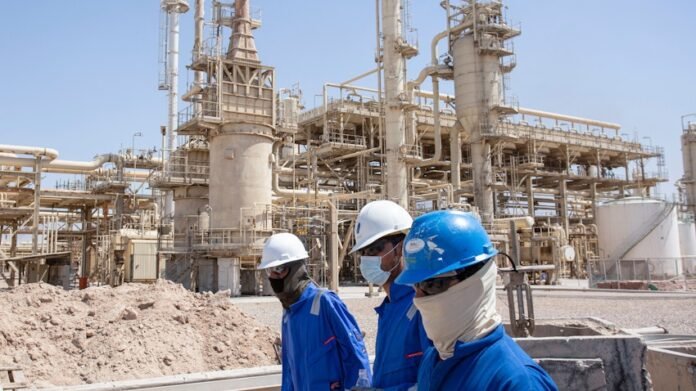
Iraq oil export diversification gained momentum as Anbar province explored new crude shipment routes through neighboring countries. Officials said the plan aims to boost export capacity and reduce reliance on traditional southern pathways.
In Iraq, local authorities in Anbar proposed exporting up to 200,000 barrels of oil per day. They said the province can use border crossings to support alternative export channels. This move responds to ongoing regional tensions affecting trade routes.
Moayad Al-Dulaimi, spokesperson for the Anbar administration, explained the strategy in detail. He said tanker trucks could transport crude oil overland. These shipments may travel toward Jordan or Saudi Arabia. He added that these routes could open faster access to global markets.
In addition, officials said the plan could reduce economic losses. Delays in southern export lines have created pressure on Iraq’s oil sector. Therefore, Iraq oil export diversification has become a key priority for regional planners.
Furthermore, Al-Dulaimi urged Baghdad to accelerate major pipeline projects. He highlighted the Basra–Haditha–Aqaba pipeline toward Jordan. He also mentioned the Kirkuk–Baniyas pipeline toward Syria. Both projects aim to strengthen long-term export stability.
Meanwhile, officials described Anbar as a strategic hub for energy transport. The province shares borders with Jordan, Syria, and Saudi Arabia. As a result, it plays a central role in overland trade and logistics planning.
At the same time, policymakers stressed the importance of reducing dependence on maritime routes. They said disruptions in southern export corridors increase financial risk. Therefore, Iraq oil export diversification supports broader economic resilience goals.
Experts said the proposal could reshape Iraq’s energy strategy. It may improve export flexibility during regional instability. In addition, it could strengthen cooperation with neighboring countries in the energy sector.
Authorities emphasized that Iraq oil export diversification reflects a long-term national strategy. Officials continue to evaluate infrastructure needs and cross-border agreements. They also aim to ensure stable oil revenue despite regional challenges.
