
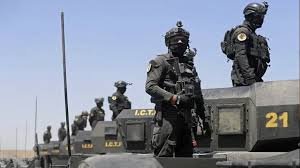
Iraq’s National Security Service announced the successful mission on Tuesday. The agency targeted a dangerous ISIS cell in Anbar province. This area has witnessed renewed militant activity recently. Security forces moved quickly on specific intelligence reports. They tracked the cell for an unspecified period beforehand.
The Anbar security operation focused on a five kilometer combat zone. Counterterrorism units and tactical regiments participated together. They located a senior ISIS member named Abu Ayman al-Rawi. He allegedly served as the group’s so-called Wali of Anbar. This position made him the top ISIS commander in the province.
Forces found al-Rawi wearing a suicide vest at capture time. However, he was apparently preparing to execute immediate attack plans. The arrest prevented significant casualties among civilians. It also denied ISIS its provincial leadership structure. Security personnel demonstrated considerable restraint and precision.
The Anbar security operation continued beyond the initial arrest. Investigators identified five additional cell members subsequently. These included a transportation coordinator named Ghayib Awwad. He handled logistics and movement for the militant network. Another detainee, Qusay Shaalan, manufactured booby-trapped drones. He also reportedly managed the group’s chemical weapons program.
Security forces then conducted extensive desert sweeping operations. They combed the Rutba desert region for several days. Troops discovered numerous weapons and ammunition stockpiles. They also found suicide belts and explosive devices. Military equipment prepared for imminent attacks lay waiting.
Commanders reported a significant find during the sweep. They discovered a militant hideout containing the Anbar security official. This individual, Abu Hussein al-Fahdawi, commanded local ISIS fighters. Two companions remained with him inside the fortified position. Security forces surrounded the location completely. The militants then detonated explosive belts on themselves.
This Anbar security operation reflects growing official concern. Iraqi leaders in western provinces warn about ISIS resurgence. The group reportedly exploits security gaps in neighboring Syria. January clashes between Syrian forces and Kurdish groups created chaos. ISIS detainees escaped from multiple Syrian detention facilities. Some likely crossed into Iraq to rejoin active cells.
Iraq continues transferring captured ISIS members into the country. Officials have moved 4,583 jailed militants thus far. This represents a coordinated effort with international coalition partners. The operation aims to consolidate ISIS prisoners under Iraqi control. It prevents escape attempts from less secure regional facilities.
Local residents expressed relief at the successful raid. Anbar province suffered terribly under ISIS occupation previously. The group controlled large areas from 2014 until 2017. Communities still recover from the brutal occupation period. Security remains fragile despite declared victory over the group.
Iraqi intelligence agencies demonstrated sophisticated capabilities. They penetrated the militant network at multiple levels. Human sources and technical surveillance contributed to success. The operation proceeded without significant collateral damage. No civilian casualties occurred during the engagement.
Military analysts view this as a significant blow to ISIS. The group struggles to rebuild command structures consistently. Each captured leader forces reorganization and delay. However, the persistent threat requires continuous vigilance. Iraqi forces maintain pressure on remaining militant pockets.
The federal government praised the National Security Service. Prime Ministerial statements commended the professional execution. Further operations are likely in other vulnerable provinces. Nineveh has also reported increased ISIS activity recently. Security forces remain on heightened alert status nationwide.
