
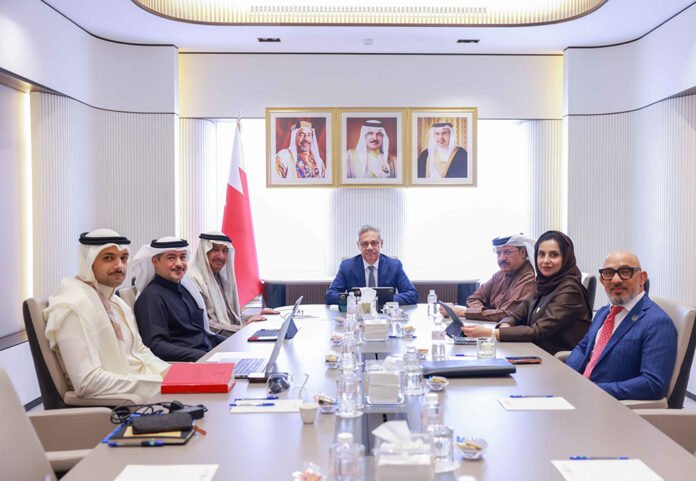
The Shura Council’s Public Utilities and Environment Committee advanced two important legislative proposals this week, focusing on strengthening the legal framework for environmental and agricultural protection in the country. The committee emphasized the importance of these measures in supporting sustainable development and safeguarding national resources.
The first draft law seeks to implement the Unified System on Plant Genetic Resources for Food and Agriculture across Gulf Cooperation Council countries. It aims to monitor, classify, evaluate, and protect plant genetic resources. In addition, the law regulates the import and export of plant resources while ensuring fair benefit-sharing from their use. It also encourages scientific research in agriculture, which supports innovation and long-term food security.
During discussions, the committee reviewed all articles of the draft law and considered related submissions from the House of Representatives. Members highlighted the need for careful documentation and a structured approach to protect plant diversity. They also stressed that the law would provide a strong foundation for research institutions and agricultural enterprises in the region. The committee noted that implementing the legal framework for environmental and agricultural protection would improve coordination among GCC countries and strengthen sustainable practices.
The second draft law focuses on amending Article 113 of the Environment Law, particularly the appeal procedures for administrative decisions. The proposed changes extend the appeal period from 30 to 60 days. This adjustment allows affected parties to carefully examine decisions and prepare legal responses. The committee argued that the longer period aligns with comparative laws and ensures fairness and transparency in environmental governance.
Officials reviewed government and Supreme Council for Environment opinions before assessing the draft laws. They concluded that both proposals promote a fair and clear system for protecting natural resources. By updating these regulations, the country strengthens its commitment to both environmental sustainability and agricultural innovation.
In summary, the committee emphasized that the legal framework for environmental and agricultural protection is essential for advancing sustainable development goals. They also highlighted that these measures support research, ensure fairness, and provide clear procedures for all stakeholders. The committee will submit its recommendations for approval during an upcoming Shura Council session, signaling a significant step forward in national legislation.
