
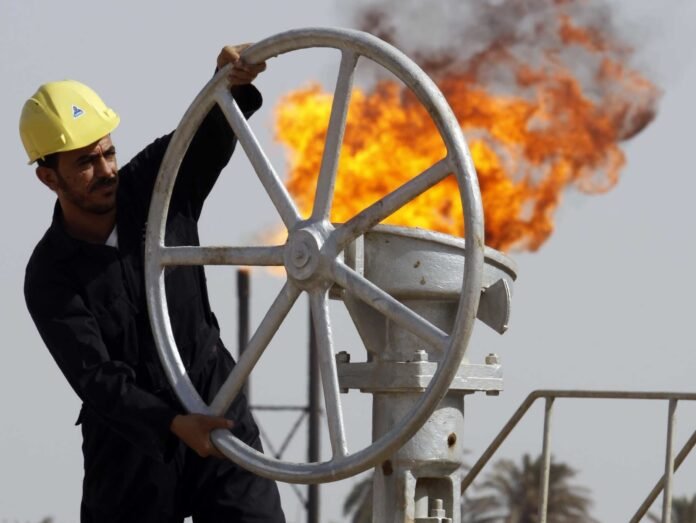
Iraq is steadily increasing energy production, with growing Iraq LNG exports showing the country’s commitment to its energy sector. Basra Gas Company (BGC) reported that liquefied natural gas exports exceeded 700,000 tons in 2025. Officials said they plan to raise exports in 2026 by improving production efficiency and product quality.
BGC’s deputy director, Marfaa al-Asadi, stated that projects in the Rumaila and Zubair oil fields have reached advanced stages. Completing remaining projects over the next four years will improve operations and facility stability. These efforts aim to raise exports to 1.4 billion cubic feet per day. Moreover, the plan supports Iraq’s strategy to modernize energy infrastructure and optimize gas use.
Iraqi Oil Minister Hayan Abdul-Ghani said associated gas recovery reached 74 percent, up from 53 percent when the current government took office. In addition, the South Gas Company reported a major rise in flared gas recovery in southern provinces, reaching 1,750 million standard cubic feet per day. Previously, recovery ranged between 300 and 350 million cubic feet. These improvements demonstrate Iraq’s commitment to reducing waste and supporting climate and self-sufficiency goals.
Gas flaring happens when natural gas rises with crude oil but cannot be transported due to limited infrastructure. Uncaptured gas releases methane, which has roughly 32 times the global warming potential of carbon dioxide over a century. Reducing flaring benefits the environment, cuts import costs, and strengthens Iraq’s energy supply.
The government’s ‘Zero Flare’ strategy aims to fully stop gas flaring and boost production to three billion standard cubic feet per day by 2030. BGC and other companies are implementing projects and operational upgrades to meet these targets. These initiatives, combined with advanced technology, are expected to expand Iraq LNG exports further in the coming years.
By improving efficiency and expanding exports, Iraq strengthens its role as a global energy supplier. The focus on production, environmental protection, and infrastructure upgrades ensures Iraq LNG exports grow sustainably. These efforts help the country achieve long-term energy security, economic growth, and climate commitments.
