
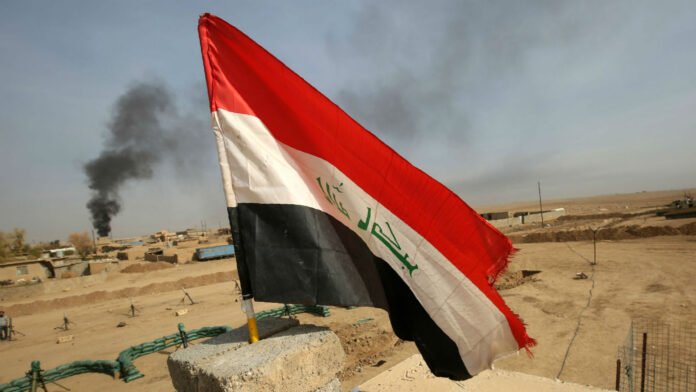
Iraq is closely monitoring the ongoing unrest in Iran, as regional tensions rise and neighbors watch carefully. Regional security and diplomacy plays a central role in understanding Iraq’s cautious approach. Iraq’s leadership aims to maintain stability while balancing relations with powerful neighbors.
Protests in Iran have drawn international attention. Israel openly expressed support for Iranian demonstrators, praising their courage and calling for freedom. Officials emphasized that their role remains diplomatic, avoiding direct intervention. Meanwhile, Iran accuses external powers, including the United States and Israel, of fueling unrest to undermine national unity.
Saudi Arabia has shown caution, choosing to avoid involvement in Iran’s domestic crisis. Analysts note that Riyadh prioritizes stability and economic diversification, emphasizing measured diplomacy. Similarly, the United Arab Emirates and Qatar have pursued detente with Iran, using dialogue to maintain regional peace. These developments highlight the importance of regional security and diplomacy in managing complex conflicts.
Iraq shares a long border with Iran and hosts a significant U.S. diplomatic and military presence. Political analysts explain that Iraq cannot risk involvement, given its internal challenges and fragile balance. Its strategy relies on careful communication with both Tehran and Washington. Iraq’s restraint reflects a commitment to stability and an understanding of potential risks to national security.
Historically, pro-Iran factions in Iraq have targeted U.S. forces and other interests during regional escalations. Past conflicts, including strikes following Hamas attacks, demonstrated Iraq’s vulnerability to spillover effects. Analysts stress that Iraq’s best leverage lies in diplomacy, engaging both sides to prevent escalation. Regional security and diplomacy remain central to Iraq’s policy, allowing Baghdad to navigate volatile situations without taking sides.
The U.S.-Iran conflict, if it escalates, could directly impact Iraq. Experts warn that its proximity to Iran makes it a potential target for retaliation, while foreign troops in Iraq could face new risks. Iraq continues to focus on dialogue, mediation, and careful observation, prioritizing long-term stability over immediate intervention.
As the region watches Iran closely, Iraq’s cautious stance exemplifies the delicate balance needed in volatile Middle East politics. By relying on diplomacy and measured engagement, Baghdad seeks to protect national interests and regional stability.
