
Kuwait continues advancing public governance through government coordination in Kuwait, as ministries launch new cooperative initiatives. These steps aim to improve services, strengthen institutions, and enhance community programs nationwide.
First, the Ministry of Education and the Ministry of Justice signed a new cooperation protocol. The agreement focuses on shared educational and legal goals. Moreover, it reflects a growing commitment to unified government action. Officials stressed that closer coordination improves efficiency and public trust.
Additionally, the protocol supports legal awareness within educational institutions. It also helps align academic frameworks with national laws. As a result, students gain better understanding of legal responsibilities. Furthermore, institutions benefit from clearer operational standards.
At the same time, officials highlighted the protocol as a practical collaboration model. They explained that cooperation reduces duplication and improves performance. Therefore, both ministries expect stronger outcomes in public service delivery.
Meanwhile, the Ministry of Justice emphasized the agreement’s social importance. Officials explained that legal education supports social stability. Consequently, the partnership promotes informed citizenship and accountability.
In parallel, the Ministry of Islamic Affairs intensified oversight of mosque services. Officials conducted field visits to assess service quality. During the visits, teams reviewed maintenance needs and organizational performance. Moreover, they evaluated ongoing religious programs.
Furthermore, officials stressed the importance of continuous monitoring. They explained that field assessments improve responsiveness. As a result, worship spaces remain welcoming and well managed. In addition, staff support remains a key priority.
The ministry also reviewed rehabilitation plans for mosque facilities. These plans focus on safety, cleanliness, and accessibility. Consequently, worshippers benefit from improved environments. At the same time, religious guidance programs continue expanding.
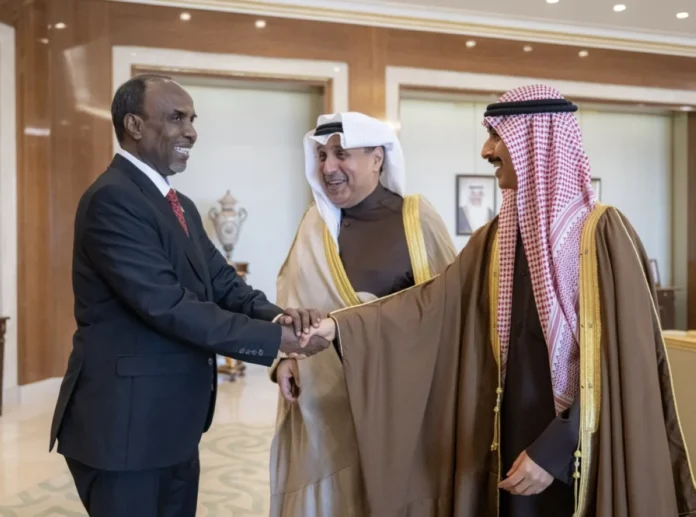
Beyond domestic efforts, Kuwait also strengthened diplomatic engagement. Senior officials met ambassadors from Senegal and Djibouti. The discussions focused on bilateral cooperation and shared interests. Moreover, officials explored ways to expand partnerships.
Talks with Senegal addressed upcoming high-level visits. Officials discussed opportunities for cooperation across several sectors. Meanwhile, discussions with Djibouti focused on existing partnerships. Both sides explored ways to deepen collaboration.
Additionally, regional and international developments featured prominently. Officials exchanged views on mutual concerns. Therefore, diplomatic dialogue remains active and constructive.
Overall, these developments highlight government coordination in Kuwait across multiple sectors. Education, justice, religious affairs, and diplomacy all show aligned efforts. Furthermore, the initiatives reflect a broader strategy for integrated governance.
As Kuwait moves forward, officials continue prioritizing collaboration. This approach strengthens institutions and supports national development. Ultimately, sustained cooperation reinforces government coordination in Kuwait and long-term public confidence.
