
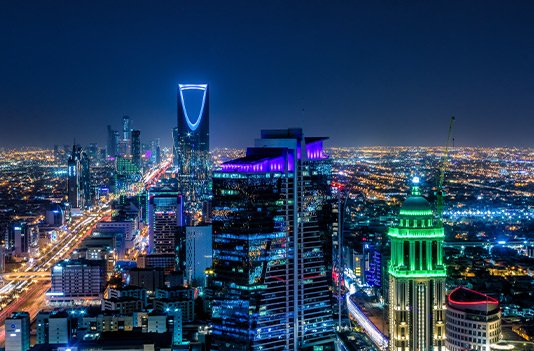
Saudi Arabia will enter a new phase of real estate reform in January. The government will activate a new law regulating foreign property ownership in Saudi Arabia. This move signals wider economic openness and stronger global integration.
First, the cabinet approved the law in July. Now, authorities are finalizing executive regulations. These rules will define where foreigners can own property. Officials will announce the details before the law takes effect.
Importantly, the reform supports Vision 2030 goals. It aims to diversify income beyond oil. It also seeks to raise real estate contributions to GDP. At the same time, it encourages long term residency. Moreover, it improves housing quality and urban development.
Next, the scope of ownership varies by city. Residential ownership will apply across most Saudi cities. However, four cities follow special rules. These cities include Makkah, Madinah, Jeddah, and Riyadh.
In those cities, ownership will be limited to designated zones. Authorities will define these zones clearly. Resident expatriates may own one housing unit. Meanwhile, other cities will allow wider residential ownership.
In contrast, commercial ownership follows broader rules. Foreign investors may own commercial property nationwide. The same applies to industrial and agricultural assets. As a result, business expansion should accelerate.
Meanwhile, officials confirmed major projects will open to foreigners. These areas will include large scale developments. Ownership ratios may reach between 70 and 90 percent. However, buyers in holy cities must meet religious requirements.
Market analysts expect strong demand growth. Initially, interest will focus on ready built homes. Liquidity should increase steadily. Therefore, transaction volumes may rise over time.
Experts also expect corporate demand to expand. International firms may establish regional headquarters. Consequently, economic activity could strengthen nationwide.
Riyadh will likely attract the highest investment. Jeddah, Makkah, and Madinah should follow closely. Tourism focused cities may also benefit. These include Taif, Abha, Jazan, and Tabuk.
Furthermore, developers may raise construction standards. They will target a broader buyer base. Better planning and specifications should emerge. Organized supply may increase as well.
In addition, prices may stabilize. Foreign buyers often hold assets long term. This behavior reduces short term speculation. As a result, the market may become more balanced.
The law also strengthens transparency and governance. Clear regulations will guide ownership rights. Financing institutions may introduce new products. This change could expand mortgage and lending activity.
Under the system, foreigners may own property in approved zones. Authorities will define ownership limits and controls. A resident foreign individual may own one home outside zones. However, Makkah and Madinah remain restricted.
Companies with partial foreign ownership may also qualify. They must operate under Saudi company law. Listed companies and funds will enjoy broader access.Additionally, a transaction fee may apply. The fee could reach five percent of property value. Regulations will clarify exact rates.Penalties will apply to violations. Misleading information may trigger heavy fines. Courts may order property sales in severe cases.
Overall, foreign property ownership in Saudi Arabia marks a strategic shift. The first year will act as a transition phase. Stronger results may appear by late 2026. Ultimately, foreign property ownership in Saudi Arabia could reshape the market.
