
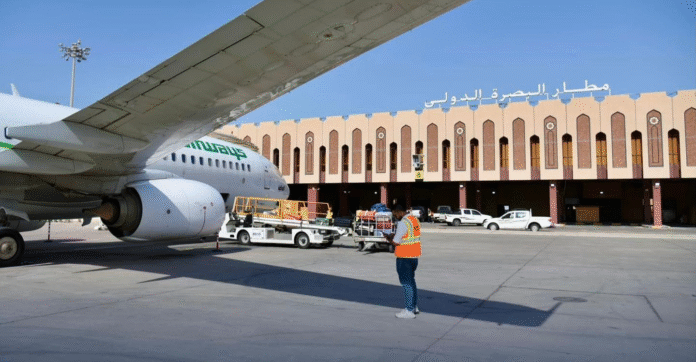
Iraq restored normal flight activity on Thursday after several major airports reopened once weather conditions improved. The update brings welcome progress for travelers and marks an important step toward Iraq aviation stability, which remains a vital national goal.
The Ministry of Transport confirmed that airspace reopened at Baghdad, Kirkuk, and Najaf airports shortly after noon. Officials explained that visibility improved significantly and allowed safe movement for departing and arriving aircraft. The ministry emphasized that teams monitored the situation closely to ensure safe operations during the reopening.
Earlier in the morning, heavy fog disrupted air travel across several cities. Dense fog created zero visibility and forced authorities to suspend operations at Baghdad, Sulaymaniyah, and Najaf airports. However, Basra International Airport continued to operate without interruption because weather conditions remained stable there. This difference highlighted how climate patterns vary across Iraq during winter, especially in regions prone to thick fog.
Despite the early disruption, the Ministry of Transport acted quickly and provided continuous updates for the public. This steady flow of information helped reduce confusion for travelers. Furthermore, the ministry coordinated with airport staff to ensure aircraft, ground crews, and passengers returned to normal procedures safely once visibility improved.
The reopening eased pressure on airlines, which had prepared for delays throughout the morning. Many airlines adjusted their schedules to handle the temporary suspension. Additionally, airport authorities worked closely with carriers to reduce wait times and organize flight queues as operations resumed. These efforts supported Iraq aviation stability, especially during challenging weather conditions.
Moreover, the ministry highlighted that safety remains the top priority. Teams across the airports used advanced monitoring tools to track changes in visibility and weather movement. They also coordinated with meteorological offices to receive accurate forecasting updates. Because of this preparation, the reopening process moved smoothly and avoided further complications.
Travelers welcomed the announcement, especially those waiting for flights to regional destinations. Families who planned end-of-year travel expressed relief as operations returned to normal. The improved weather also allowed maintenance teams to inspect runways and ensure stable conditions for aircraft movement.
As Iraq invests more in its aviation system, authorities continue to focus on reliability and growth. The ministry aims to strengthen airport procedures, enhance communication, and support efficient operations during weather disruptions. These steps are essential for long-term Iraq aviation stability, which remains a key objective for the country’s transport sector.
