
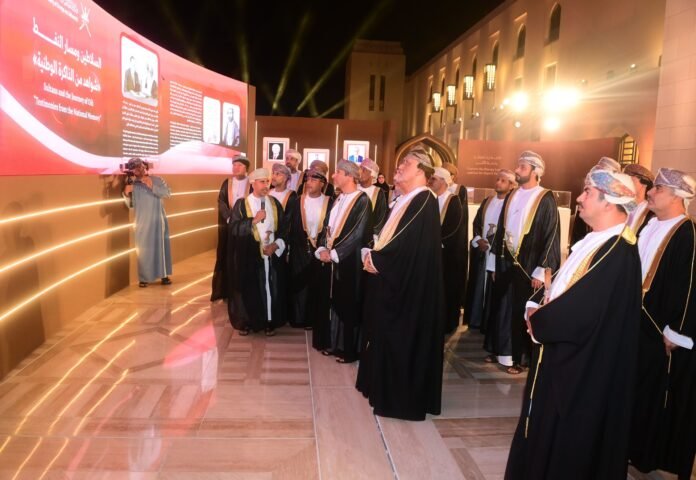
Oman celebrated a historic milestone as the Ministry of Energy and Minerals honored a full century of oil and gas discovery. The event highlighted Oman’s energy legacy, which continues shaping the nation’s economic strength and future direction. Moreover, the ceremony brought together leaders, experts, and community members who value Oman’s energy legacy and its national importance.
The ministry organized the celebration at the Royal Opera House in Muscat. The event traced key milestones that shaped the energy sector since the first exploration concession in 1925. The program also showcased major transformations that strengthened the national economy and supported the development of modern energy infrastructure across the country.
During the ceremony, Salim Nasser Al Aufi delivered an address that honored the early generations who built the sector. He emphasized their determination, resilience, and commitment to national development. He also recalled the signing of the first concession agreement in 1925, which marked the beginning of a long journey. Furthermore, he explained how the drilling of the Dauka-1 well in 1955 started a new phase of discovery and expansion.
The journey advanced rapidly after the first crude shipment left Mina Al Fahl port in 1967. Production reached 5,000 barrels per day during that period. However, Oman continued investing in technology and workforce development, and production eventually approached one million barrels per day. This growth demonstrated strong governance, technical expertise, and strategic planning.
Al Aufi highlighted Oman’s political stability and its role in attracting international partners. He pointed to the Duqm Refinery project as a major example of successful cooperation. He also explained that Oman now manages 58 concession areas, with 34 active blocks and 16 companies developing fields across the country.
Additionally, he revealed new updates on reserves and production. He noted that Oman holds around 4.8 billion barrels of oil reserves. Daily gas production reaches nearly 150 million cubic meters. This output supports thousands of kilometers of pipelines and a strong industrial network.
The sector also strengthens the national economy through its In-Country Value approach. Expenditure reached OMR11 billion over the past decade, including
