
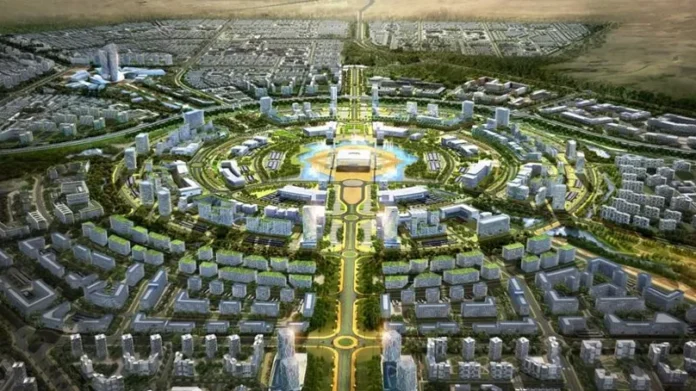
Kuwaiti engineers highlighted the importance of urban sustainability and innovation in shaping the future of Arab cities. They stressed that these elements are key to meeting the region’s development needs. Furthermore, they said collaboration between sectors is essential.
The remarks came at the “Sustainable Cities with an Arab Identity” forum. The event was organized by the General Secretariat of the Federation of Arab Engineers, with support from the Arab Consulting Engineering Offices and Firms Authority and the Arab Architects Authority, under the League of Arab States.
Engineer Aqeel Murad presented a study titled “Modern Methods for Sustainable Waste Management – An Analytical Study on Modern Technologies and the Circular Economy.” He explained that urban sustainability and innovation require moving away from traditional landfill systems. Moreover, he highlighted global practices for turning waste into resources, including waste-to-energy projects, recycling construction waste, producing refuse-derived fuel, and converting organic waste into fertilizers and biofuels.
Murad added that successful urban development needs strong partnerships between governments, private sectors, and civil society. He said, “Cities can become environmentally friendly with waste-to-electricity systems, smart sorting, plastic-to-fuel conversion, and organic fertilizer production.” He also emphasized that investing in knowledge, technology, and long-term planning improves quality of life and protects the environment.
Engineer Nasser Al-Mutairi focused on building materials. He also stressed the need for energy-efficient, recyclable, and eco-friendly materials. His presentation, “The Use of Sustainable Materials in Construction,” showed that governments, communities, and private sectors must work together to adopt sustainable architecture.
Engineer Hanan Al-Mohammad emphasized worker safety and health. Her study, “Occupational Safety and Health and Integrated Strategies for Sustainable Development,” showed that integrating safety into daily work enhances quality of life and strengthens resilient cities. She recommended awareness programs, training, modern management systems, and technology to reduce workplace risks.
Al-Mohammad also noted that protecting workers reinforces Arab identity within sustainability frameworks. Therefore, she urged governments to implement clear safety policies and encourage innovation in work practices.
Finally, the forum concluded that urban sustainability and innovation will define the future of Arab cities. Collaboration, modern technologies, and safe working environments are essential to achieve these goals.
