
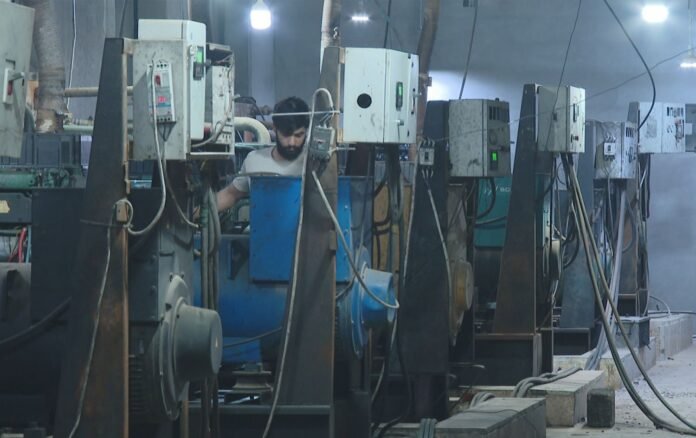
The Kurdistan power crisis continues to affect daily life across the Region. Sulaimani residents gained some relief as private generators returned to operation. Local authorities acted quickly, and generator owners responded within hours. Communities welcomed the decision, especially as outages stretched through several districts after the recent Khor Mor gas field attack.
Private generator owners in Sulaimani confirmed that most units resumed operation on Saturday. Osman Mohammed, head of the Association of Private Generator Owners, said nearly all generators restarted, except those with technical issues. Authorities instructed owners to operate again, and they followed immediately. The move eased strain on households that relied on only a few hours of public electricity.
Electricity supply dropped sharply after the drone strike on Khor Mor ignited a fire and stopped gas flows. The incident also caused an estimated 80 percent reduction in power production. Several cities faced severe shortages, and supply fell to about five hours a day. This uncertainty increased frustration and worsened the Kurdistan power crisis.
Energy officials continued working with Dana Gas to restart production at Khor Mor. They reported progress on technical repairs and emphasized restoring gas for power plants. Residents still faced long electricity gaps, which forced greater reliance on private generators. Sulaimani has around 570 private units. Owners announced new operating hours from 4 p.m. to midnight, but payment methods remain unclear.
Meanwhile, the Kurdistan Regional Government advanced its Runaki Project. The plan aims to end reliance on thousands of diesel generators by late 2026. Authorities cancelled several generator contracts in Sulaimani, Erbil, and Duhok. They hope to provide stable power through the national grid. However, recent attacks created new challenges and slowed progress.
The Khor Mor field, located in Chamchamal district, suffered repeated strikes in recent years. Officials blamed militia groups tied to Iraq’s security structure but operating outside central control. These attacks raised concerns about future stability. Many residents fear more disruptions.
Communities now wait for full recovery while monitoring developments closely. Authorities promise continuous efforts to stabilize supply and prevent further damage. Through all these challenges, the Kurdistan power crisis remains a central issue for families and businesses across the Region.
