
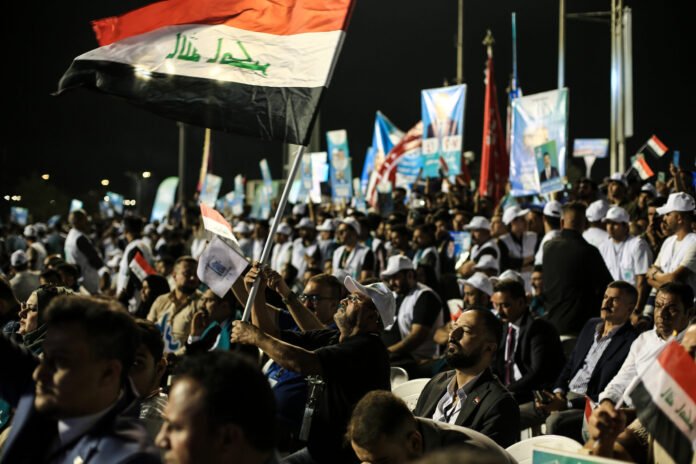
Iraq’s 2025 parliamentary elections face their first legal challenge, raising questions about election integrity. Lawmaker and losing candidate Haifa Hussein Hatem al-Jabri submitted a formal appeal in Dhi Qar province on Sunday. Her team collected original tally sheets from every station in her district and compared them with preliminary results.
The review revealed what al-Jabri described as “clear and significant discrepancies,” prompting her to take immediate legal action. She vowed to pursue all available courts to make sure genuine votes are counted, emphasizing the importance of election integrity.
Al-Jabri asked the head of Iraq’s Supreme Judicial Council to form investigative committees. These committees will examine alleged irregularities, including vote-buying, misuse of government posts, and political money influence. She said such practices hurt election integrity and reduce public trust in democracy.
Al-Jabri emphasized that Iraqis deserve transparency and fairness in every election. She promised to escalate the case to the highest court if needed, underlining that safeguarding election integrity is vital for national stability.
Earlier this month, Iraq held special and general voting on November 9 and 11, marking the sixth parliamentary elections since 2003. The Independent High Electoral Commission completed the count of outstanding ballots and expected to release final results later on Saturday or Monday.
Political analysts note that legal challenges often follow close elections. However, this is the first formal dispute reported for the 2025 polls. Experts warn resolution may take weeks or even months as courts examine the case carefully.
Al-Jabri’s appeal also demands stronger oversight of the election process. She stressed that authorities must ensure accountability in all districts, especially where irregularities might affect results. Her campaign insists that protecting election integrity is crucial for Iraq’s democratic progress.
Observers expect the Supreme Judicial Council to review the case thoroughly. Meanwhile, citizens closely watch developments, showing public interest in fair and credible elections. The outcome could shape Iraq’s political landscape and influence trust in future voting.
By highlighting potential flaws and insisting on accountability, al-Jabri shows that election integrity remains the cornerstone of Iraqi democracy.
