
Oman’s Waste-to-Energy project is capturing worldwide attention and reshaping the country’s renewable energy vision. The project represents a bold step toward a cleaner and more sustainable future. It also highlights Oman’s strong commitment to building a circular economy and cutting emissions.
Nama Power and Water Procurement (Nama PWP) recently announced the completion of proposal submissions for the project. However, the competition attracted 18 major international and local companies from ten different countries. This strong participation reflects investor confidence in Oman’s economic stability and its growing renewable energy sector.
The list of participants includes companies from the United States, China, Spain, Japan, France, Singapore, Kuwait, Switzerland, the UAE, and Oman. Their interest proves how appealing Oman’s Waste-to-Energy project has become in the global market. Moreover, it confirms Oman’s growing reputation as a regional hub for green innovation.
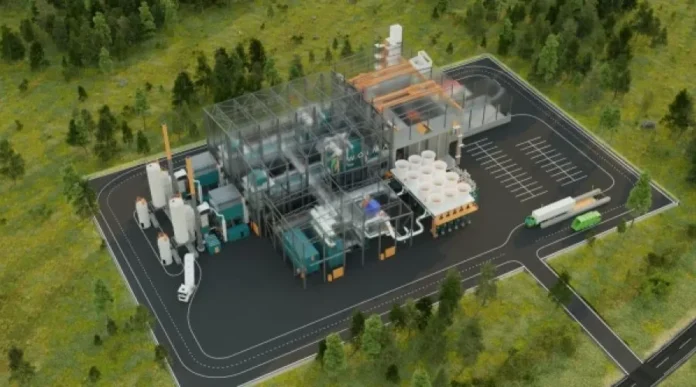
Moreover, the project site in Barka, located in Al Batinah South Governorate, will use advanced Grate Incineration technology. Every day, the facility will process about 3,000 tonnes of waste. It will also generate around 95 to 100 megawatts of electricity. This clean energy production will deliver nearly 757 gigawatt-hours of power each year, providing a major boost to Oman’s renewable capacity.
In addition, the facility will cut carbon emissions by nearly 302,000 tonnes every year. It will cover 190,000 square meters and begin commercial operations by the final quarter of 2030. With these numbers, the project perfectly aligns with Oman’s long-term sustainability vision and Net Zero targets.
Nama PWP, in partnership with Oman Environmental Services Holding Company (be’ah), is leading this groundbreaking initiative. Together, they plan to revolutionize Oman’s waste management and turn environmental challenges into economic opportunities. Their cooperation also strengthens the foundation for future green projects across the nation.
After evaluating all proposals, Nama PWP will shortlist qualified developers for the final Request for Proposals stage. This transparent process ensures fair competition and encourages high-quality submissions from international experts.
Overall, Oman’s Waste-to-Energy project symbolizes progress, innovation, and environmental responsibility. As the country accelerates toward a greener future, this initiative will transform waste into valuable energy. It will power homes, protect nature, and reinforce Oman’s leadership in sustainable development.