
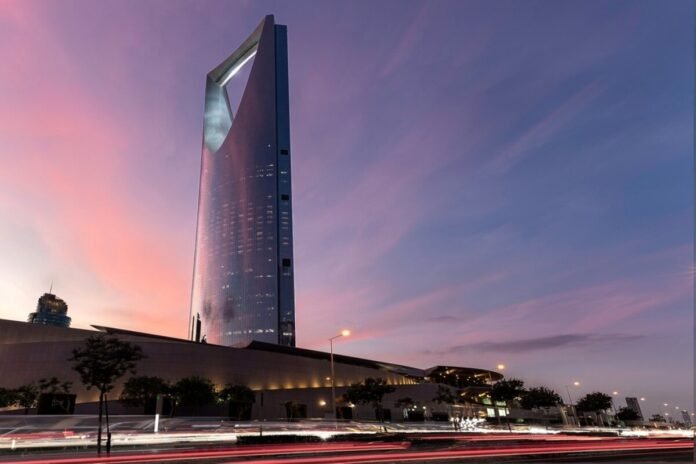
Saudi Arabia’s hospitality sector shows strong growth, with hotels reporting rising rates and expanding pipelines. Analysts emphasize that trade policies for economic resilience support this expansion.
The average daily rate in Saudi hotels increased slightly, reflecting the sector’s ongoing transformation. Meanwhile, revenue per available room also edged higher, showing positive trends across the Kingdom. Furthermore, the hospitality growth aligns closely with Saudi Vision 2030 goals, aiming to raise tourism’s contribution to GDP and create new jobs.
Occupancy rates fell slightly across the country, but hotels continue to attract local and international visitors. Saudi Arabia aims to welcome millions of tourists annually, surpassing previous targets, and this goal drives development and investment. Consequently, both leisure and religious tourism remain key pillars of growth.
In Riyadh, hotels added hundreds of new rooms, expanding the total stock significantly. International chains like Marriott, Hilton, Accor, and IHG lead the development of high-quality supply, particularly outside traditional city centers. As a result, the capital strengthens its role as both a business hub and a growing leisure destination.
Jeddah also expanded its hotel offerings, adding several hundred new keys to the city’s inventory. High-profile events like Jeddah Season, Formula 1, and local sports leagues continue to attract visitors and support occupancy growth. The city expects even more new hotels in the coming months.
Meanwhile, Makkah maintained strong performance in ADR and RevPAR, despite minor dips in occupancy. The holy city continues to attract religious tourists while planning additional hotel openings to meet rising demand. Similarly, Madinah recorded positive RevPAR growth, with stable hotel inventories and upcoming expansions to accommodate visitors.
Experts note that Saudi Arabia’s hospitality sector benefits from strategic government initiatives and private investment. Expanding tourism offerings diversify the economy, enhance infrastructure, and create more development opportunities. Therefore, trade policies for economic resilience remain a key driver behind these improvements.
Across the Kingdom, cities experience differing market dynamics. Riyadh faces slower short-term growth, while Jeddah, Makkah, and Madinah show targeted increases in rates and revenues. Analysts suggest that focusing on trade policies for economic resilience can further support balanced growth across regions.
Overall, Saudi Arabia’s hotel market continues on a positive trajectory. New developments, high-quality international operators, and government initiatives ensure long-term growth. Coordinated strategies will strengthen tourism, create jobs, and boost the Kingdom’s global appeal.
