
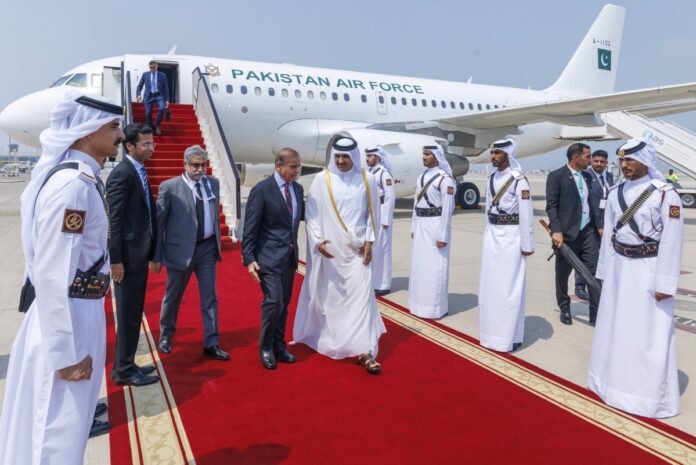
Pakistan Prime Minister Muhammad Shehbaz Sharif arrived in Doha on Monday to participate in the Emergency Arab-Islamic Summit. Pakistan Prime Minister emphasized the importance of regional unity and diplomatic engagement in addressing current challenges. The summit brings together leaders from Arab and Islamic countries to coordinate strategies on pressing political, economic, and security issues.
The Emergency Arab-Islamic Summit, held in Qatar’s capital, Doha, aims to strengthen collaboration between member states. Recent regional tensions and humanitarian concerns have highlighted the need for a joint response. Leaders will discuss measures to enhance stability, economic growth, and security cooperation.
During his visit, the Pakistan Prime Minister will meet with several heads of state and senior officials. The agenda includes discussions on conflict resolution, trade partnerships, and joint investment initiatives. Experts note that such high-level meetings can shape regional policies and improve diplomatic ties.
Qatar hosts this summit at a time when several Middle Eastern nations face economic challenges and political uncertainties. According to recent reports, regional trade flows have slowed, while security concerns continue to affect investment confidence. Leaders attending the summit aim to devise collaborative solutions to support growth and stability.
The Pakistan Prime Minister’s participation also underscores Pakistan’s role in regional diplomacy. Officials from Islamabad highlighted that active engagement in Arab-Islamic forums strengthens political alliances. Analysts suggest that Pakistan can leverage these platforms to promote economic cooperation and regional peace.
Furthermore, the summit provides a platform for countries to discuss humanitarian aid and crisis management. Leaders are expected to address issues such as refugee support, conflict prevention, and joint development projects. Observers believe that coordinated action could improve long-term stability across member states.
Looking ahead, the outcomes of the Emergency Arab-Islamic Summit may influence future regional policies. Collaborative agreements, strategic partnerships, and coordinated economic plans could emerge from these discussions. Pakistan’s active participation signals its commitment to regional solidarity and proactive diplomacy.
The summit concludes with a joint statement outlining key decisions, policy directions, and follow-up actions. Participants aim to maintain momentum on agreed initiatives and enhance cooperation across political, economic, and social sectors.
