
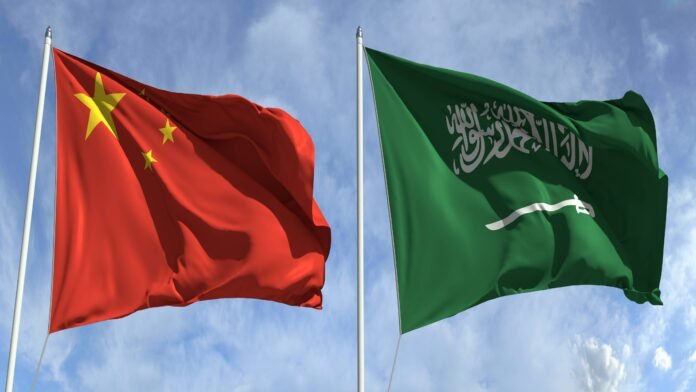
Beijing hosted high-level discussions this week to strengthen economic cooperation between China and Saudi Arabia, marking another milestone in their growing partnership. The talks highlighted trade, investment, and energy as priority sectors.
China’s Commerce Minister Wang Wentao met Saudi Investment Minister Khalid Al-Falih in Beijing on Tuesday. Both sides explored ways to align China’s Belt and Road Initiative with Saudi Arabia’s Vision 2030, creating a framework for deeper collaboration. Officials stressed that linking these ambitious strategies could reshape regional trade and global investment patterns.
During the talks, Wang emphasized the importance of diversifying cooperation beyond traditional sectors. He noted the potential to expand bilateral trade, increase two-way investment, and strengthen capital market links. Moreover, both countries agreed to explore opportunities in new energy, industrial supply chains, and advanced technologies. These steps underline the shared determination to widen economic cooperation between China and Saudi Arabia.
According to Chinese customs data, Saudi Arabia imported more than $50 billion in goods from China last year. Smartphones, solar panels, and saloon cars topped the list of exports. Analysts believe this trade balance could expand further as both sides commit to more ambitious goals.
In addition, the meeting comes at a time when Beijing is navigating economic challenges with the United States and the European Union. Both Washington and Brussels have raised tariffs on Chinese products, citing concerns about oversupply and market disruption. Consequently, stronger Gulf partnerships, especially with Saudi Arabia, are seen as vital for China’s long-term strategy.
Observers also point out that Riyadh views Beijing as a valuable partner in its diversification efforts. Vision 2030 seeks to reduce reliance on oil by promoting investment in new energy, infrastructure, and technology. Therefore, cooperation with China offers Saudi Arabia access to expertise, financing, and advanced industrial capabilities.
The talks concluded with a clear message: the partnership is not limited to trade but extends to shared development ambitions. Officials highlighted the significance of collaboration in shaping future markets and building sustainable growth models.
Ultimately, these discussions confirmed that economic cooperation between China and Saudi Arabia remains a strategic priority, driving innovation and reinforcing ties that benefit both nations.
