
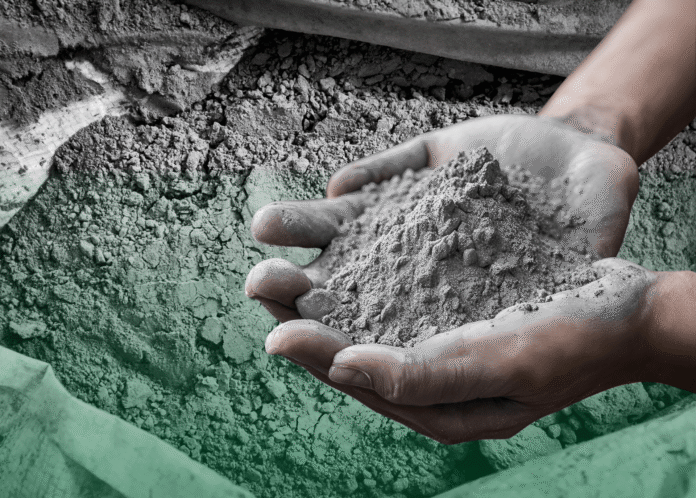
Saudi Arabia cement sales jumped 21 percent in the second quarter, fueled by strong demand from major infrastructure projects. Local sales drove nearly all of this growth, accounting for 97 percent of dispatches. Meanwhile, exports declined by 16 percent, representing just 3 percent of total sales.
Mega projects like Neom, ROSHN, Diriyah, and The Line accelerated construction activities. These projects boosted cement use, especially in Riyadh, Tabuk, and the Eastern regions. Seasonal factors also played a role. During Ramadan and Hajj, contractors often buy cement early to avoid work slowdowns.
Al-Yamama Cement led the local market with 1.93 million tonnes sold, capturing 15.2 percent market share. It was followed by Saudi Cement, Qassim Cement, and Yanbu Cement. In contrast, exports were weaker. Saudi Cement remained the top exporter with 376,000 tonnes shipped abroad.
Competition in export markets tightened as local producers in East Africa and Yemen expanded. Countries like Kenya and Ethiopia increased their production capacity. Also, aggressive pricing from Turkiye and Iran pressured Saudi exporters.
Additionally, freight disruptions from Red Sea security issues forced vessels to reroute. This increased shipping times and costs, especially for bagged cement. Customs delays in Sudan, Ethiopia, and Somalia further complicated exports, causing some cancellations.
Clinker production, a key cement ingredient, grew 12.6 percent. Saudi firms produced 14.8 million tonnes of clinker during the quarter. Saudi Cement led clinker output with 2.15 million tonnes. Producers raised kiln utilization and built strategic clinker inventories.
Clinker exports rose by 39 percent, reaching 1.63 million tonnes. Higher global prices and easier shipping logistics for bulk clinker boosted exports. Ports like Yanbu and Jeddah facilitated shipments mainly to Bangladesh, Kenya, Benin, Ghana, and Yemen.
Saudi Arabia enjoys some of the lowest cement prices in the region. Fuel subsidies and overcapacity keep prices between SR12.5 and SR14 per 50-kg bag. These prices remain stable despite rising input costs and strong local demand.
However, rising fuel prices and logistics bottlenecks squeezed profit margins. Some companies increased alternative fuel use, but full efficiency gains remain unrealized. Southern Cement and Eastern Province Cement maintained margins by leveraging exports. Others like Qassim and Tabuk Cement saw sharper profit declines due to local market reliance.
Overall, Saudi Arabia cement sales surged thanks to mega projects and local demand. Still, companies face margin pressures from higher costs and competitive markets.
