
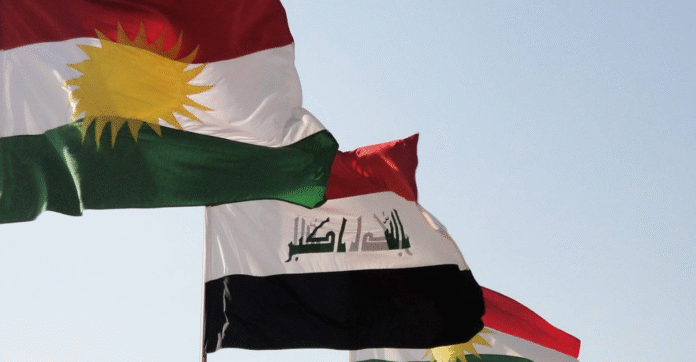
The Iraqi government plans to introduce a new demand in the ongoing Baghdad-Erbil negotiations. This demand focuses on the extradition of wanted figures currently based in Erbil. These individuals include former Baath Party leaders accused of crimes under Saddam Hussein’s regime or involvement in post-2003 insurgencies. Baghdad has long sought their return, viewing it as a critical part of Iraq’s unfinished transitional justice.
The issue of extradition joins a broader list of disputes between Baghdad and the Kurdistan Regional Government (KRG). However, oil remains at the heart of the tension. Baghdad insists that the KRG deliver agreed crude oil volumes to the State Oil Marketing Organization (SOMO). The federal government argues this is essential for Iraq’s unified export system.
On the other hand, Kurdish officials highlight significant revenue losses since March 2023. The suspension of exports through Turkey’s Ceyhan port drastically cut the region’s income. As a result, the KRG struggles to meet its financial commitments. Federal committees have visited Erbil but have not reached terms acceptable to Baghdad.
Moreover, Baghdad now considers linking budget transfers to verified oil shipments. Earlier in 2025, an “oil-for-salaries” deal eased tensions briefly. Under this arrangement, the KRG agreed to supply almost all crude oil to SOMO in exchange for federal salary payments. However, this deal collapsed after drone strikes cut regional oil production by about 70%. Consequently, payment delays resurfaced, reigniting the dispute.
Additionally, plans to restart oil exports through Ceyhan at 80,000 barrels per day remain stalled. Industry experts warn no breakthrough will happen soon. Turkey’s announcement that it will end its 1973 pipeline agreement with Iraq by July 2026 adds further uncertainty. This development could worsen the already fragile relationship.
In summary, Baghdad-Erbil negotiations face serious challenges on extradition and oil issues. Both sides appear far from reaching a lasting agreement. The upcoming talks will test whether these critical disputes can be resolved peacefully.
